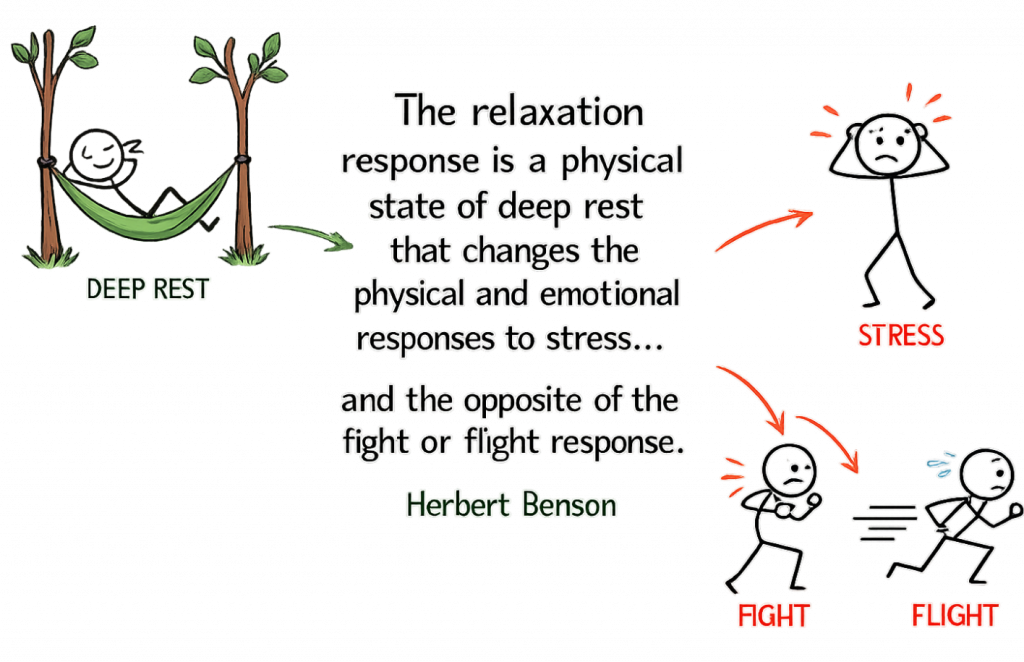
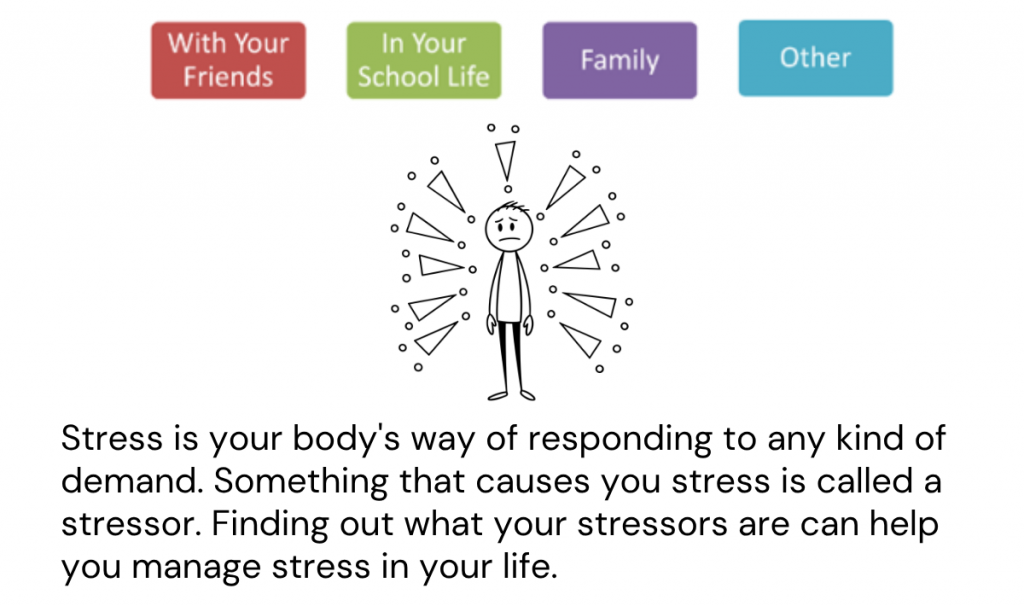
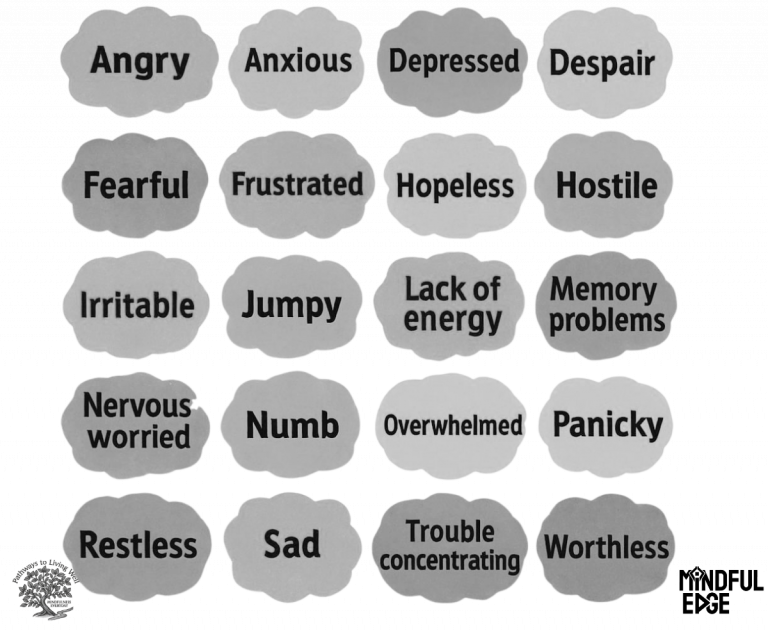
Being aware of our stressors and the signs of stress in our bodies and minds can help us make more informed decisions about how to manage them.
Mindfulness, which involves paying attention to how the body feels, what we think, and what we feel, can help prevent the buildup of negative stress effects.
Mindful awareness can enhance our well-being and resiliency.
We will explore:
You can’t stop the waves,
but you can learn to surf.
~ Jon Kabat-Zinn
The point of a mindful arriving practice is to anchor your mind and body in the present moment, shifting you out of “autopilot” or mental time-traveling. It breaks the cycle of daily rushing and anxiety by helping you consciously step into the “here and now”.
Benefits:
If you were a battery:
Where is your energy now?
What do you need?
A mindful check-in is a purposeful pause used to assess your current mental, emotional, and physical state without judgment. Its primary point is to shift you out of “autopilot,” helping you regulate emotions, reduce stress, and meet your immediate needs with clarity.
Benefits:
Without knowing where you are at, you cannot assess what you need. ~ Heidi Bornstein
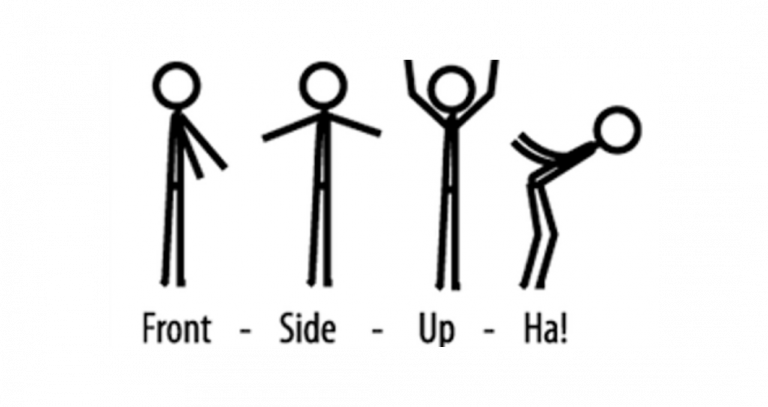
A movement and breath combination for moving energy.
Feeling tired? Feeling Wired? Try this to regulate your energy.
Reduces stress and anxiety,
Boosts energy,
Increases focus
Releases stored emotional or physical tension.
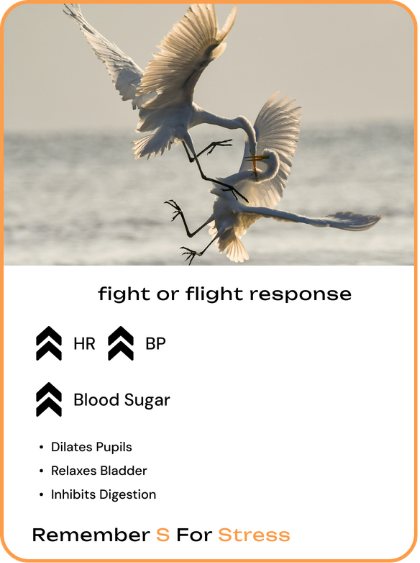
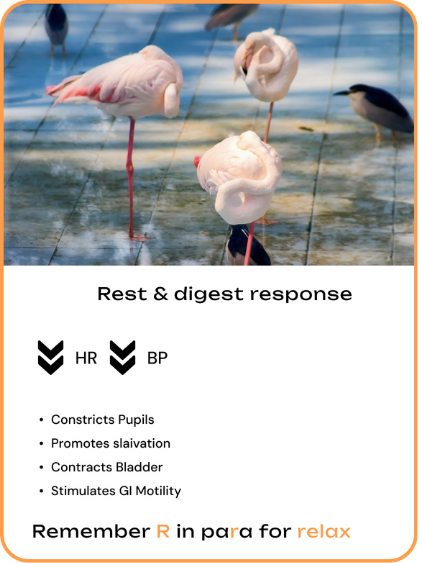
Automatic Nervous System
Chemicals of Stress
Physiology of Stress
Perception of Stress
The Three Major Stress Hormones:
Adrenaline, Cortisol, Norepinephrine
There are 12 Healthy Habits which support well-being, especially brain function. We will be examining each of these in the next lessons.
You cannot control what happens to you,
but you can control your attitude toward what happens to you,
and in that, you will be mastering change rather than allowing it to master you.
~ Brian Tracey
There are 10 foundational mindful attitudes that support infusing mindfulness into your life. The underlying principle is interest and curiosity in your own experience as it unfolds. We will be examining each of these in the next lessons.
Regularly practicing these poses strengthens smaller stabilizing muscles, and improves overall posture.
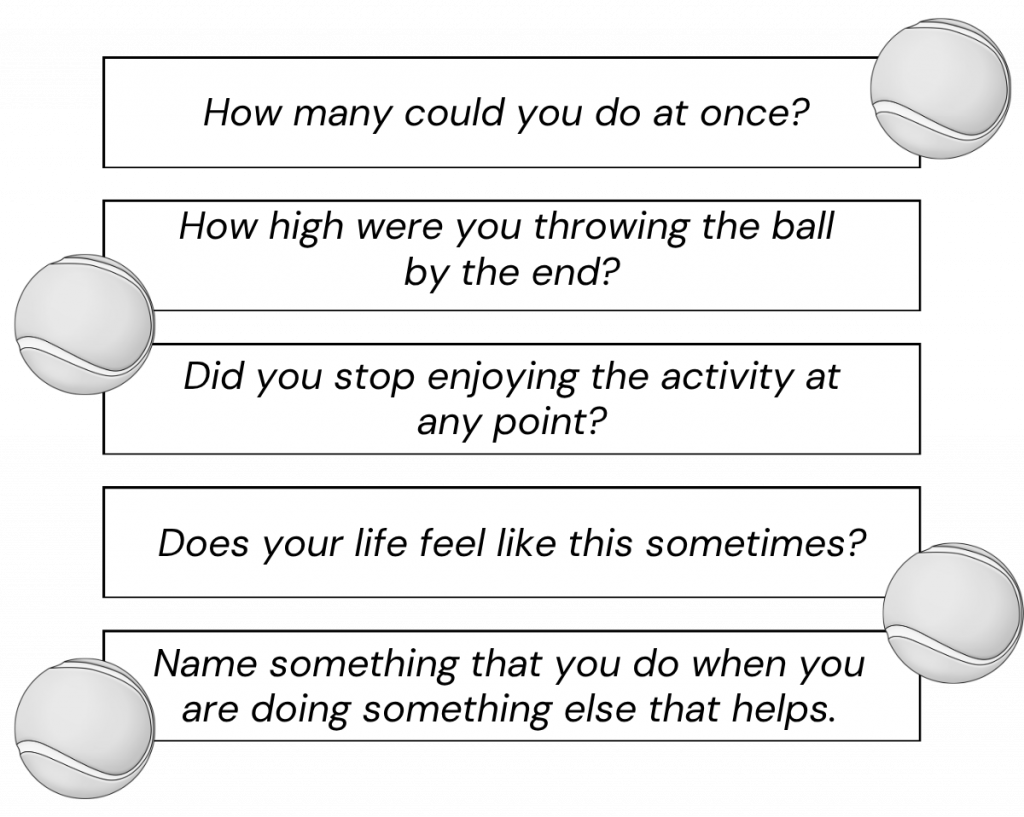
Reflective Questions:
How Does Stress Affect You?
Complete the 4 activities and Evaluation:
Stress Lesson Activities
Art Activity
Learn More
Videos to Watch
Web-based Resources
Anxiety is…
but it can become a problem if it leads to avoidance and diminished quality of life.