Scientists have shown that your mind and brain routinely change each other. Recent research into neuroscience has shown that mindfulness practices and strategies can result in physical changes in the brain.
We Will Explore:
Neuroscience reveals that mindfulness physically alters the brain to enhance emotional resilience, focus, and self-awareness. ~ Heidi Bornstein
Listen
Coloured pencils, pens, markers, coluring pages or blank paper.
Take a few minutes to color or doodle, silently, listening to indigenous flute music.
Listen
The Check-in Practice (Rose, Thorn, Bud) is a structured check-in exercise that promotes mindfulness, self-awareness, and emotional regulation. It balances gratitude and realistic problem-solving by categorizing experiences into three areas:
Neuroscience Of Mindfulness
4-Minute Video
Understanding The Brain
By Director X
Watch Video about Neuroplasticity
Dopamine & Serotonin Pathways in the Brain
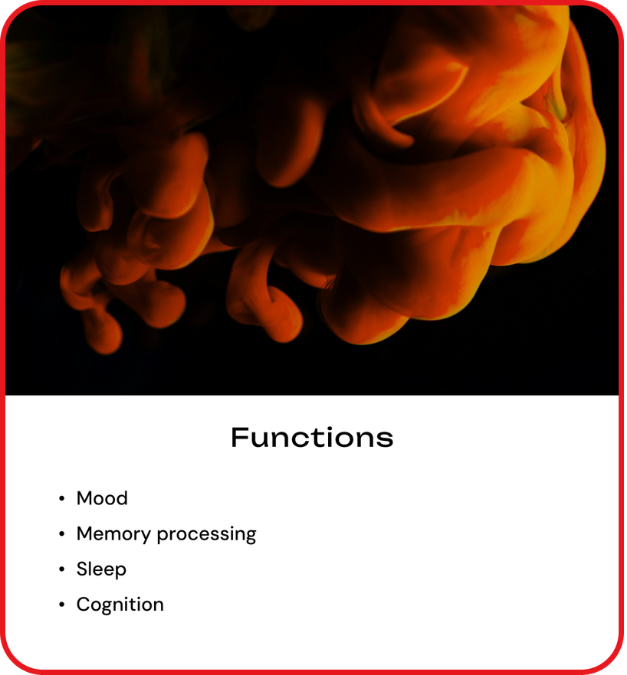
Serotonin Pathways
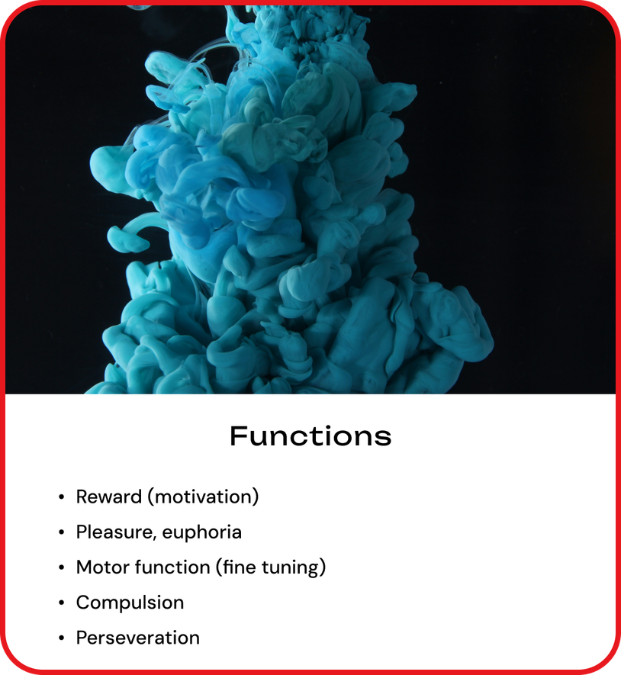
Dopamine Pathways
Healthy Dopamine Boosters
Physical exercise is one of the best things you can do for your brain. It increases the production of new brain cells, slows down brain cell aging, and can increase your levels of dopamine.
Overall health benefits of mindfulness have been demonstrated through hundreds of research studies. Many have shown mindfulness increases dopamine, i.e., improved focus and concentration.
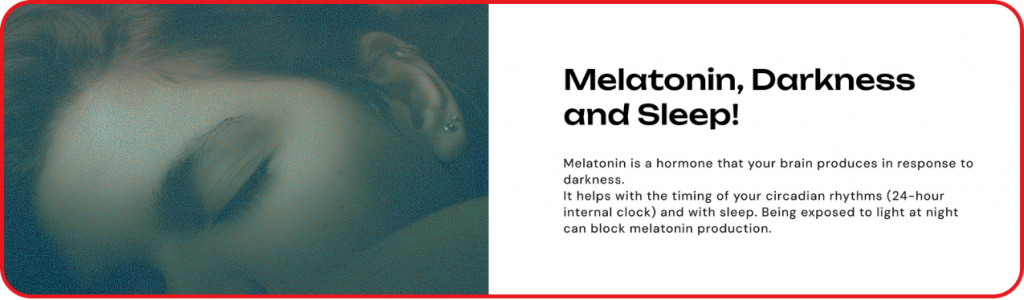
To ensure that your brain increases dopamine naturally, make sure that you’re getting enough sleep. Lack of sleep reduces concentrations of neurotransmitters, including dopamine, and their receptors.
It is no surprise that listening to music can increase pleasurable feelings, improve mood, boost energy, and help with focus and concentration.
When you achieve this task (e.g., organizing my messy binder) your brain will reward you with a shot of dopamine—a small surge of happiness.
The brain loves novelty; keep trying new things; cultivate the mindful attitude of curiosity.
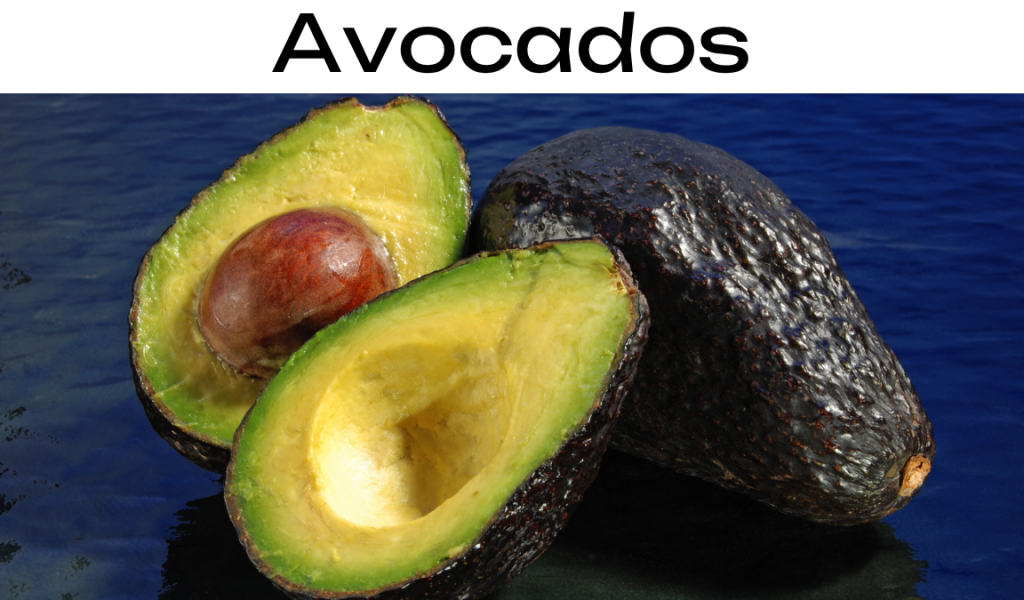
Choosing Dopamine Boosting Foods
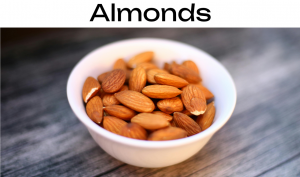
Other High-Tyrosine Foods: Protein Foods – Seafood, Meat & Poultry, Eggs, Beans, Dairy, Seeds
Watch
The Figure 4-Hip Stretch directly targets deep glute and outer hip muscles. It is highly effective for relieving lower back tension, preventing sciatica, improving hip mobility, and counteracting the effects of prolonged sitting.
This is a practice which uses stretching and balancing as a dopamine break, increasing focus and boosting dopamine. This is a great, quick activity to do when you have been seated for a long period of time.
Watch
Intentional breathing triggers the parasympathetic nervous system (the “rest and digest” mode), lowering heart rates and reducing stress.
FIve-finger Breathing is a multisensory technique that combines deep breathing with physical tracing of the hand.
By synchronizing slow inhales and exhales with hand movements, it interrupts anxiety cycles, regulates the nervous system, and promotes deep relaxation.
The Hoberman Sphere Breathing practice uses an expandable geometric ball to provide concrete visual and tactile pacing for deep breathing exercises, making the abstract concept of breathwork tangible. For those whose minds wander easily, the fluid motion of the ball acts as a powerful point of focus.
Expanding the sphere during an inhale and contracting it during a slow exhale triggers the body’s parasympathetic nervous system, transitioning the body from “fight-or-flight” to a calm “rest-and-digest” state.
When we give the brain the rest it needs, we consolidate learning and recover from the experiences of the day.
According to the Public Health Agency of Canada, teens (14–17 years old) need 8 to 10 hours of sleep per night to function and develop at their best.
Getting consistent, adequate sleep is critical for teenagers, as this age group undergoes rapid physical growth and cognitive development. The Canadian Paediatric Society warns that lack of sleep can lead to difficulty concentrating, moodiness, and behavioral issues.
Without adequate sleep, each of these important neural, physiological, and mental processes is in jeopardy of not functioning well.
Listen
The Mountain Visualization is a mindfulness practice created by Jon Kabat-Zinn. It uses the imagery of a grand, unmoving mountain to help you cultivate unwavering stability and emotional resilience. It teaches you to observe your thoughts and feelings like passing weather, without getting swept away by them.
Dopamine – The Chemical of Attention & Happiness Quiz
How Can You Boost Your Dopamine?
How to Hack Your Happy Hormones? Activity
Neuroscience Lesson Activities
Art Activity
Learn More
Videos to Watch
Web-based Resources
Benefits
Fun Fact: 75% of the brain is used to process visualization.
The cause for inattentional blindness is that the brain cannot process what is seen because a person is too absorbed by something else.
Your senses gather information and send it to your brain. But your brain does not simply receive this information—it creates your perception of the world. This means that sometimes your brain fills in gaps when there is incomplete information or creates an image that isn’t even there.
Here are a variety of optical illusion pitcures. Look at the pictures.
Mohini was a regal white tiger who lived for many years at the Washington D.C. National Zoo. … The tiger immediately sought refuge in a corner of the compound, where she lived for the remainder of her life. Mohini paced and paced in that corner until an area twelve by twelve feet was worn bare of grass.
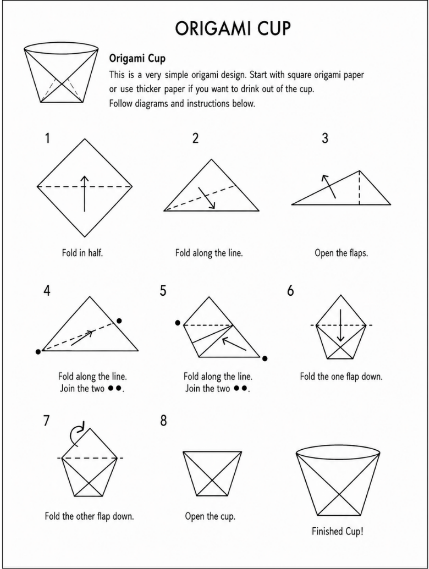
The ‘Origami Activity’ teaches students how to fold an origami cup. This mindful art practice fosters patience and emotional awareness as students follow instructions. It also proves a practical example of “Neuroplasticity” – that the brain learns by experience.
Learn More
Neuroscience Lesson Activities
Art Activity
Web-based Resources
Videos to Watch
https://mindworks.org/blog/how-meditation-changes-the-brain/
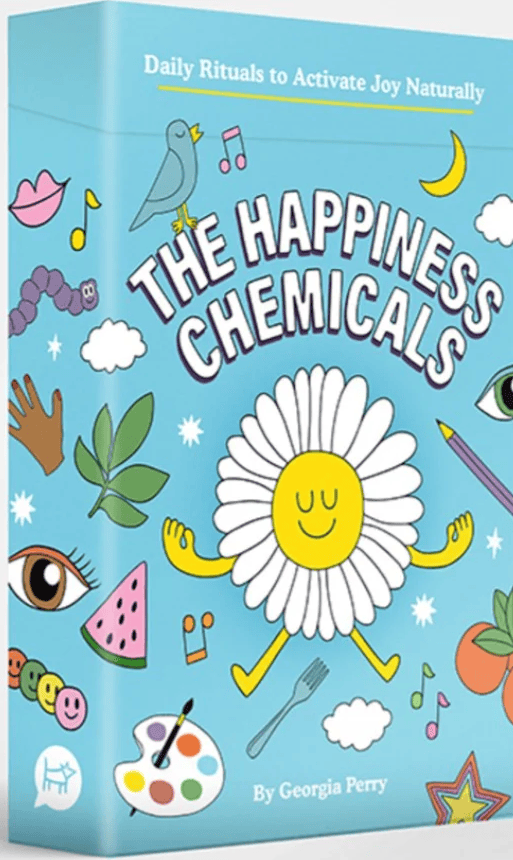
The Happiness Chemicals: Daily Rituals to Activate Joy is a vibrant deck of beautifully illustrated cards by Georgia Perry (@gpez) that will teach you how to stimulate your four happiness chemicals from within: dopamine, serotonin, endorphin and oxytocin.
Serotonin: the mood stabilizer
Dopamine: the reward chemical
Endorphin: the pain killer
Oxytocin: the love hormone