How to Befriend Strong Emotions?

overview

We can learn to manage strong emotions in a way that helps us identify our needs and get them met in situations, and does not escalate them.

Objectives

  • Learning what your “Strong Emotions Signature” is supports emotion regulation.
  • Learning about emotional needs and why is it helpful to know what they are for ourselves.
  • Examining how to constructively express strong/angry feelings in a way that will help us get our needs met.
  • It’s OK to feel angry as long as you don’t physically hurt others, yourself or property.

Quote

“Holding on to anger is like grasping a hot coal with the intent of throwing it at someone else; you are the one who gets burned.” ~ The Buddha

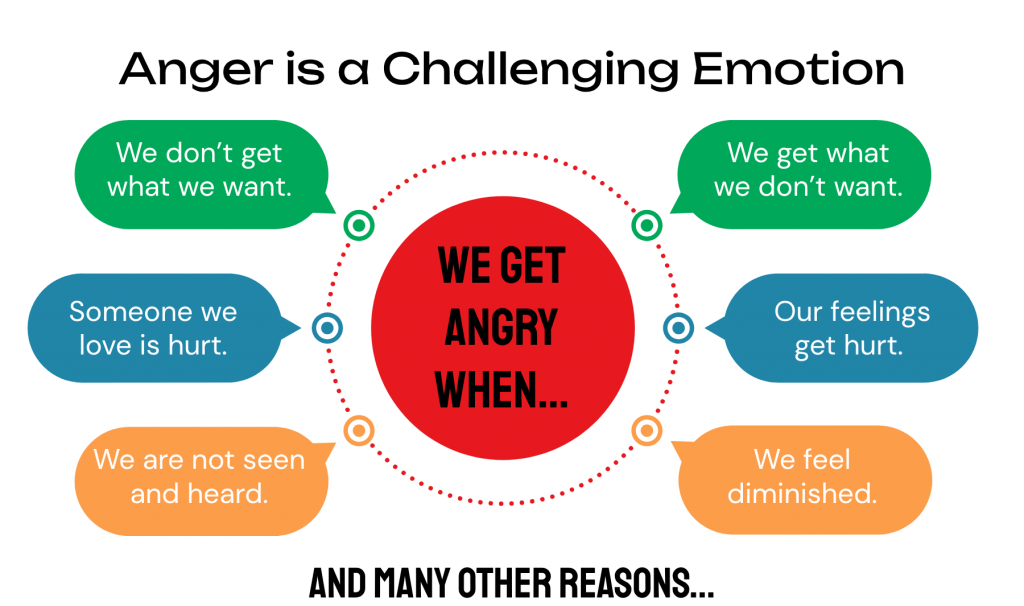
We will Explore the relevance of Strong emotions, like anger

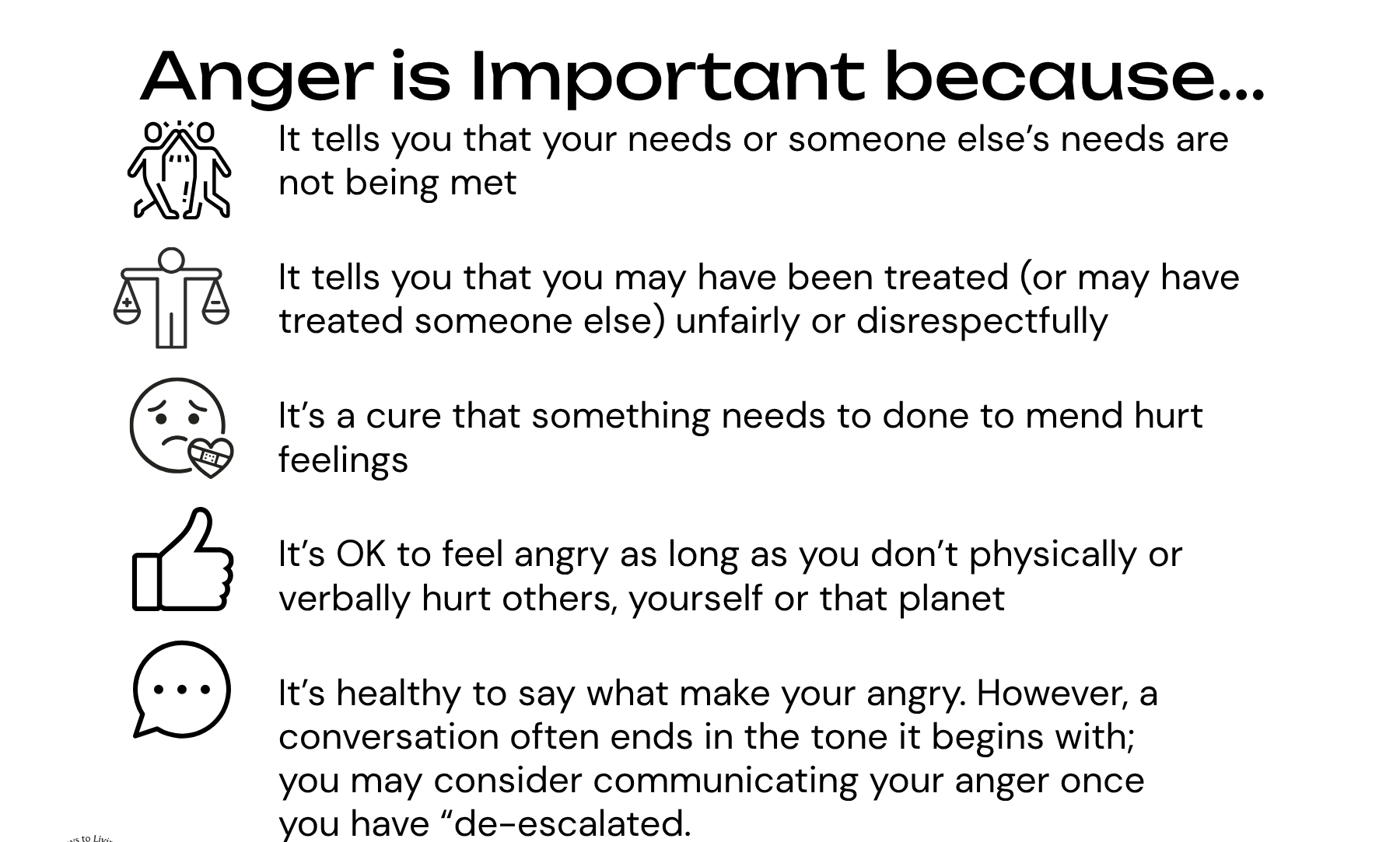
Understanding that a strong emotion, like anger, is an important because it:

  • Tells you that your needs or someone else’s needs aren’t being met
  • Tells you that you may have been treated (or may have treated someone else) unfairly or disrespectfully
  • Is a cue that something needs to be done to mend hurt feelings

Arriving Practice: Long, Slow Breathing

Long, Slow Breathing

Watch

Long, slow, belly breathing triggers a full oxygen exchange that slows your heart rate, lowers blood pressure, and reduces the stress hormone cortisol.
Also known as diaphragmatic breathing, this practice consciously engages the large muscle at the base of your lungs to shift your nervous system out of “fight-or-flight” and into a state of relaxation.

Reflective Question

  • What do you notice… Body? Thoughts? Emotions?

Benefits

  • Reduces stress and anxiety: Deep breaths stimulate the vagus nerve to initiate the body’s natural relaxation response.
  • Improves focus: Higher blood oxygenation improves blood flow to the brain, enhancing concentration and mental clarity.
  • Regulates intense emotions: Increased oxygen to the prefrontal cortex improves decision-making and emotional stability.
  • Aids sleep quality: Practicing right before bed calms racing thoughts to help you fall asleep faster.

Check-in Practice - Which Animal Would You Be?

Reflection Questions

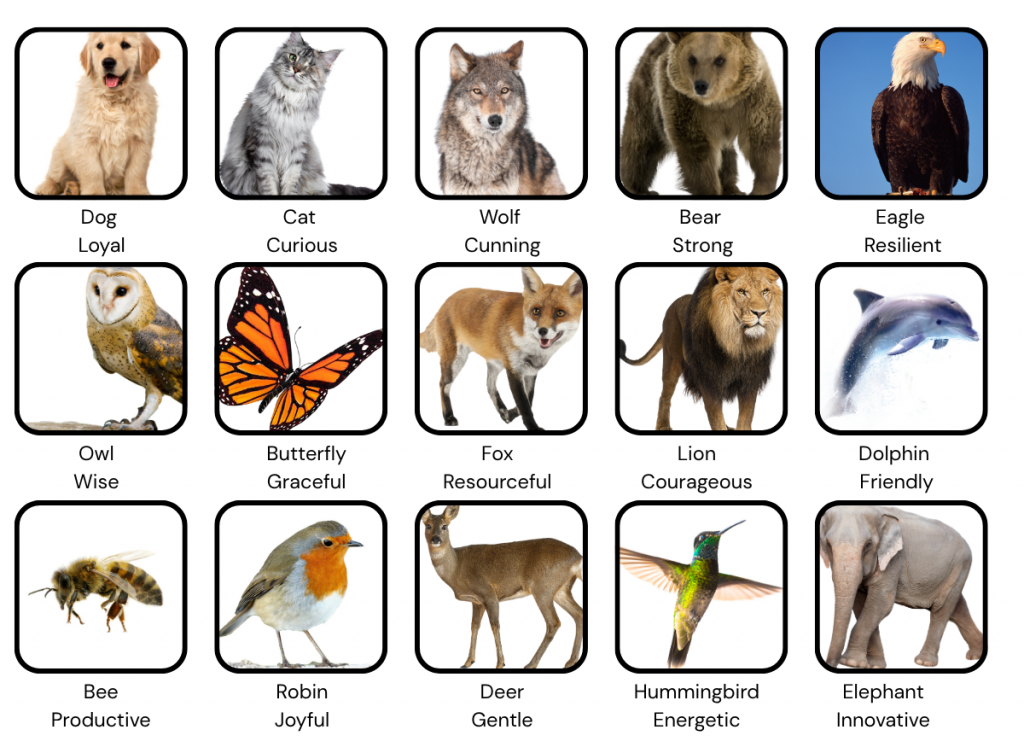
  • If your mood and energy level were an animal right now, which animal would it be?
  • Which animal did you choose and why?

About Strong Emotions

Understanding Anger

Expressing Anger

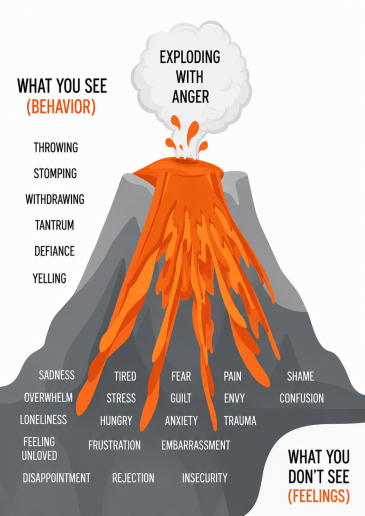
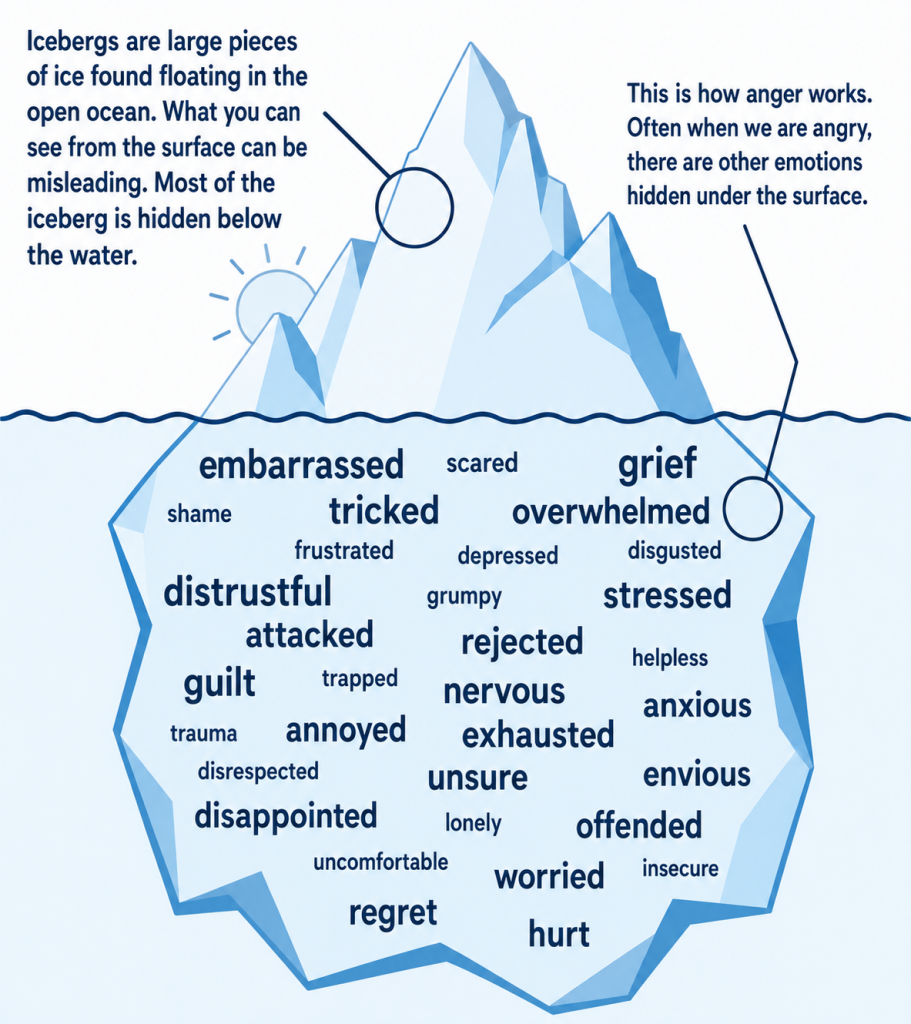
There are 2 images which are used to convey the complexity of anger. The Anger Volcano shows the expression of anger which can be seen, and the underlying feelings which are hidden. The Anger Iceberg shows the emotions underlying the “tip of the iceberg”.

Anger Volcano

7_AngerVolcanoImage

Anger Iceberg

Communicating Anger

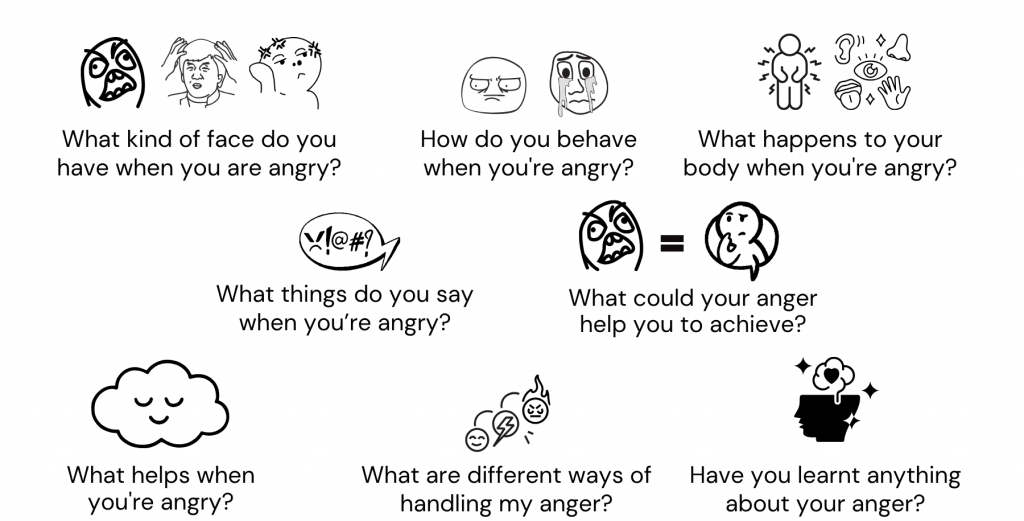
Reflection Questions

  • How do you express your anger?
  • What are some helpful ways you deal with your anger? Unhelpful ways?
  • What are the helpful/unhelpful ways your family/caregivers deals with their anger?

Anger can also have unwanted or destructive results: 

  • If we aren’t mindful about how we express our anger, we risk destroying a friendship or a relationship that we care about.
  • Bottled up anger can become explosive and ruin important relationships.

Mindful Attitudes - Gratitude

MIndful Attitude - Gratitude

Healthy Habits - Gratitude

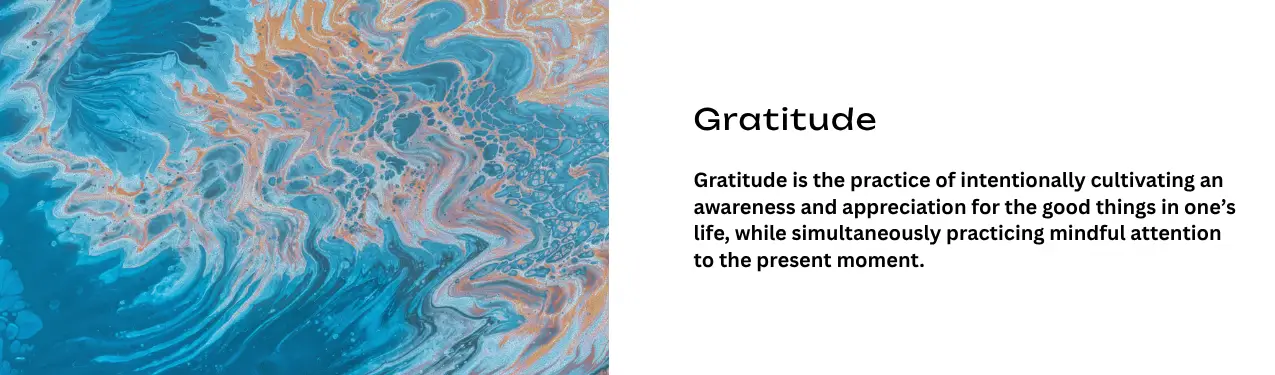
Gratitude:

When we regularly practice gratitude by noticing and reflecting on things we’re thankful for, we experience more positive emotions, feel more alive, sleep better, are more compassionate and kinder, and even have stronger immune systems.

Coherent Breathing Practice

Coherent Breathing

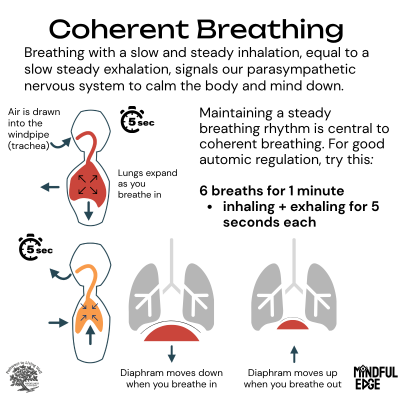
Coherent breathing is a technique that focuses on conscious and deliberate breathing. breathing with a slow and steady inhalation equal to a slow steady exhalation, signals our parasympathetic nervous system to calm the body and mind down. This practice will be about 5 minutes.

Benefits

When practiced regularly, it helps those experiencing chronic or acute stress soothe their nervous system, slow their heart rate, lower their blood pressure, and generally feel calmer and more relaxed.

Reflection Questions

  • When your attention wandered, were you able to use the soundscape/visual as an anchor for your attention?
  • Do you think this strategy could have a calming effect on you?
B_Coherent Breathing

Mindful Movement Practice - Warrior Flow

Warrior Flow

The Warrior Flow is a dynamic Mindful Movement sequence linking postures to build physical strength, improve joint stability, and foster a mental sense of courage, focus, and resilience.

Benefits

Physical Strength & Endurance: Transitions require you to hold wide, challenging stances. This engages and builds power in your glutes, thighs, core, and shoulders.
Flexibility & Circulation: The poses act as deep hip openers, stretching your psoas, hamstrings, and inner thighs while boosting blood and oxygen circulation throughout the body.
Mental Focus & Confidence: Holding these broad, open positions fights against slouched, fear-based postures, making practitioners feel grounded and mentally empowered.
Breath Synchronization: Linking each posture to an inhale or exhale synchronizes your heart rate, creating a moving meditation that calms the nervous system.


Reflection Questions

  • Did you find yourself focused? Unfocused?
  • Pleasant? Interesting? Or Unpleasant? Frustrating?
  • What did you notice? Physically? Mentally? Emotionally?
  • Did anything surprise you / challenge you?

Focus Practice - R.A.I.N.

R.A.I.N.

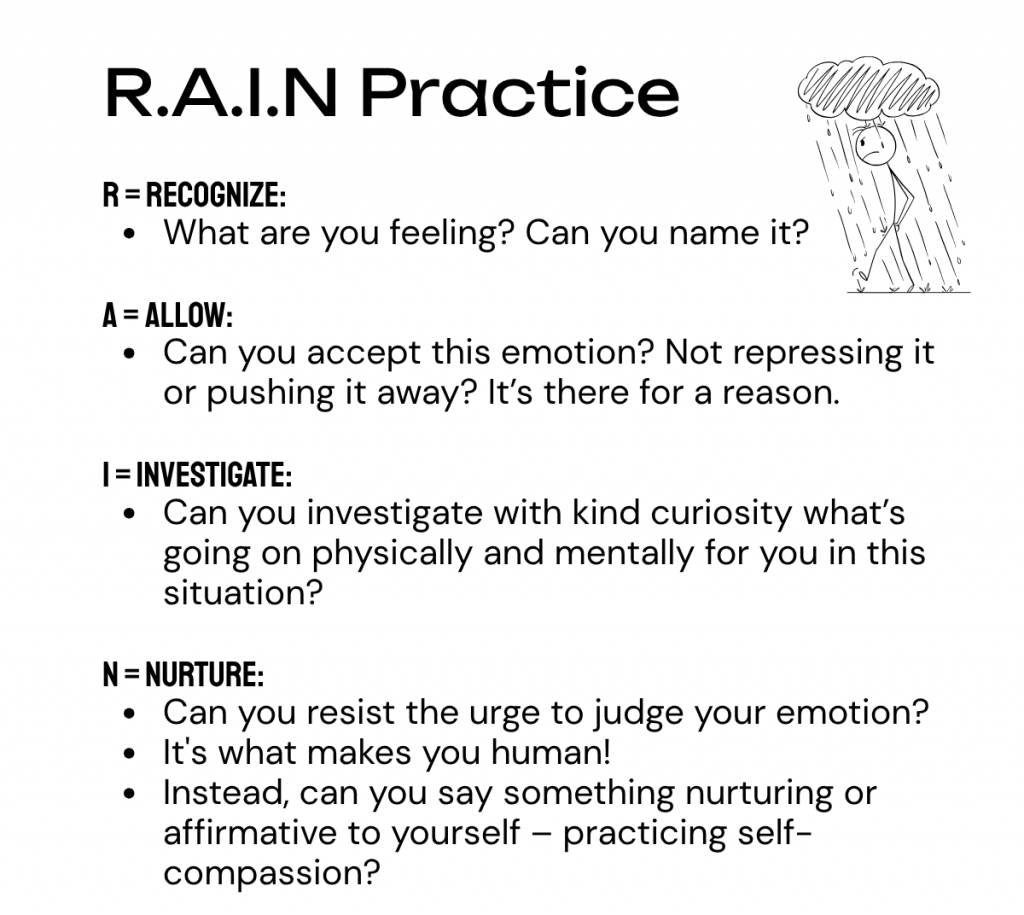
The R.A.I.N. practice is a powerful four-step mindfulness and self-compassion technique used to process difficult emotions and reduce stress.

Reflection Questions

  • Were you able to find something to work with in the R.A.I.N. practice? 
  • Did you notice there was a shift in how you felt after you went through the steps?
  • How are you feeling now?
  • Can you give a word for how you are feeling?
  • Did anything surprise or challenge you?

Focus Practice - Self-Compassion Break

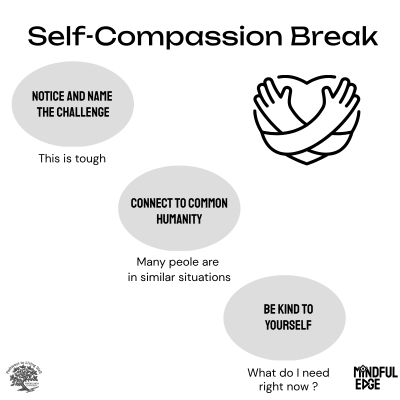
Self-Compassion Break

F_Self-Compassioin

Mindful self-compassion integrates moment-to-moment awareness with self-kindness. By replacing harsh self-judgment with warmth and understanding, it effectively reduces anxiety, lowers stress, and builds emotional resilience. It provides a safe internal foundation to cope with life’s challenges without becoming overwhelmed.

The practice involves recalling a recent challenging situation – not too overwhelming; something that you can work with, and going through the 3 steps. 

Reflection Questions 

  • Were you able to find something to work with in the Self-Compassion practice? 
  • Did you notice there was a shift in how you felt after you went through the steps?
  • How are you feeling now?
  • Can you give a word for how you are feeling?
  • Did anything surprise or challenge you?

Mindful Movement - Chigong & Tai Chi

This series of gentle movements from the Qigong tradition are beneficial for balancing energy and releasing tension and/or strong emotions. There are 2 options for practice.

Qigong & Taichi

Three mindful movements with Sifu David Leopold, a martial and healing arts specialist and a certified instructor in Taichi and Qigong to help manage energy, calm the nervous system and release tension.

  1. Dan Tien Breathing Purpose & Benefits: accumulates energy, grounding, and relaxation 
  1. Embrace the Mountain Qigong Purpose and Benefits: supports restful sleep, calms the nervous system, and relieves upper-body tension.
  1. Liver Punch Purpose and Benefits: Release emotions such as anger, stress, resentment and replace with self love and admiration.

Reflection Questions

  • Did you find yourself focused? Unfocused?
  • Pleasant? Interesting? Or Unpleasant? Frustrating?
  • What did you notice? Physically? Mentally? Emotionally?
  • Did anything surprise you / challenge you?

Qigong Warmup

This series releases tension by relaxing the muscles and other tissues of the body. Opens the joints, gently bounces the organs, detoxifies every cell.

Reflection Questions – Chigong Warmup:

  • What did you notice? Physically? Mentally? Emotionally?
  • Did anything surprise you / challenge you?

My Mindful Journey Reflection Journal

Complete the activities:

  • Managing Anger and Other Strong Emotions             

  • Emotional Needs Chart

  • What Flips Your Lid?

  • Creating Your Anger Map

  • Anger Journal

Download PDF HERE

The Wrap Up

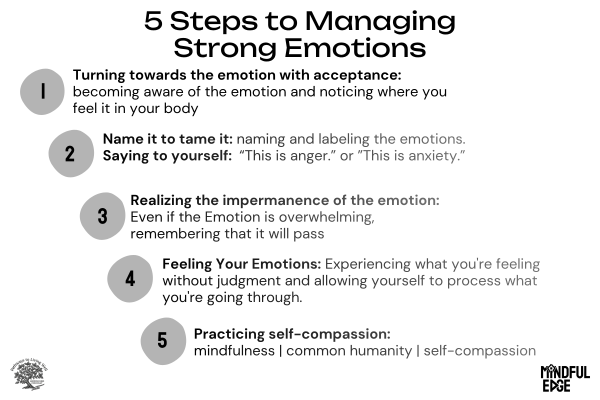
7_5StepstoManagingStrongEmotions

Key Points About Practicing Mindfulness

  • Understanding the energy of strong emotions, like anger cultivates well-being.
  • It’s ok and normal to experience these feelings and learn to express them in a way that does not harm oneself or others.
  • Knowing what makes us angry helps temper outcomes.
  • Becoming aware of how we deal with strong feelings like anger helps regulate emotions.
  • Mindfully Managing Strong Emotions

Final Reflection and Check -in

Taking the time to
• learn what makes us angry
• become aware of how we deal with our anger
• learn how to constructively express angry feelings
can save us considerable frustration and heartache.

Reflection Questions

  • Check in with how you are feeling right now.
  • What do you need?
  • Do you need to move, eat something, drink, breathe, reflect, watch a funny video, listen to music?

Explore

ResourceActivities_4

Befriending Strong Emotions Lesson Activities

ResourceArt_5

Art Activity

ResourceLearn_3

Learn More

Videos to Watch

Web-based Resources

Strong Emotions Activities

What Flips Your Lid?

This activity, included in My Mindful Journey Reflective Journal, builds self-awareness.

  • Which apply to you?
Being lateBeing ignoredDeadlines
Not getting your own wayLosing stuffBeing treated unfairly
TechnologyHaving too much to doGossip
Parents’ expectationsBeing lied toForgetting something important
RulesFriends who won’t return your phone calls, texts or emailsPeople who are rude
People changing plans at the last momentDisorganized peopleBeing disrespected
People who interruptWaiting in line 

Anger Mapping

This activity, included in My Mindful Journey Reflective Journal, builds self-awareness.

Reflection Questions – Anger Mapping:

  • How do you express your anger?
  • What are some helpful ways you deal with your anger? Unhelpful ways?
  • What are the helpful/unhelpful ways your family/caregivers deal with their anger?


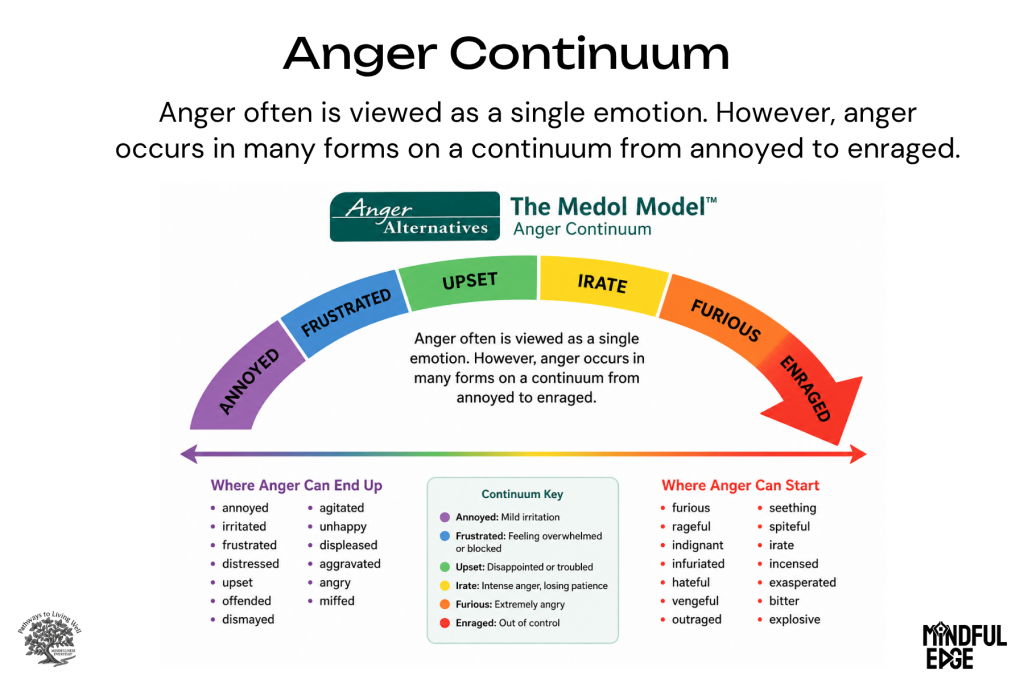
Where on Anger Continuum Do You Fall?

This activity, included in My Mindful Journey Reflective Journal, builds self-awareness.

The anger continuum is a psychological framework that categorizes anger into distinct, progressive stages—typically ranked on a scale from 1 to 10. It shifts the perception of anger from a single, explosive reaction to a measurable, progressive emotional and physiological state.
By tracking this progression, individuals can recognize early warning signs and intervene before the emotion escalates to destructive levels.

Benefits:

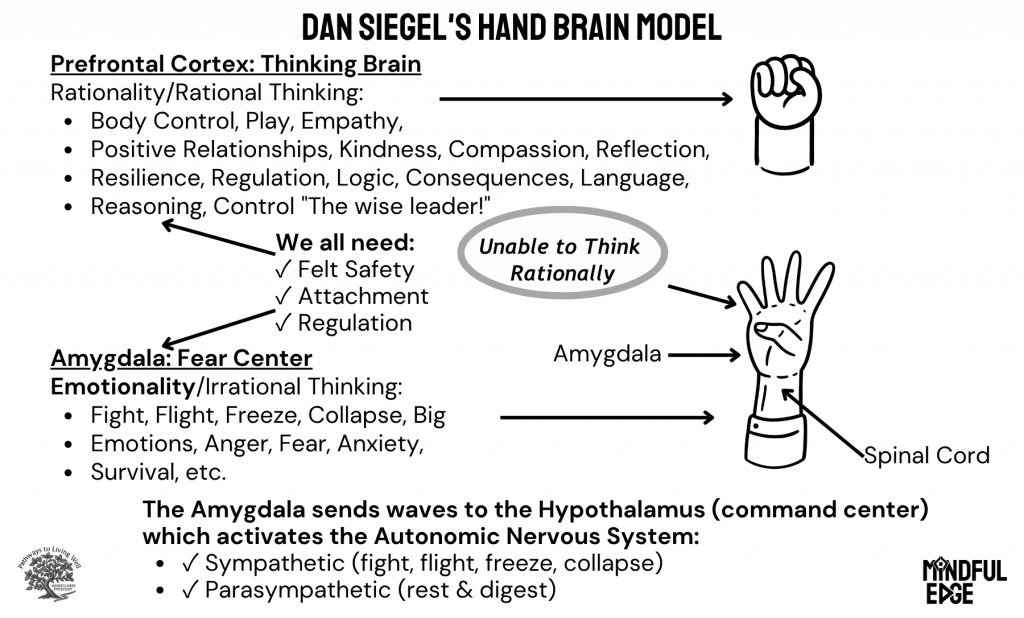
Recognizing where you are on the continuum (e.g., assessing if you are at a 3/10 or 8/10) allows you to use targeted cognitive and physical tools before your “thinking brain” shuts down.

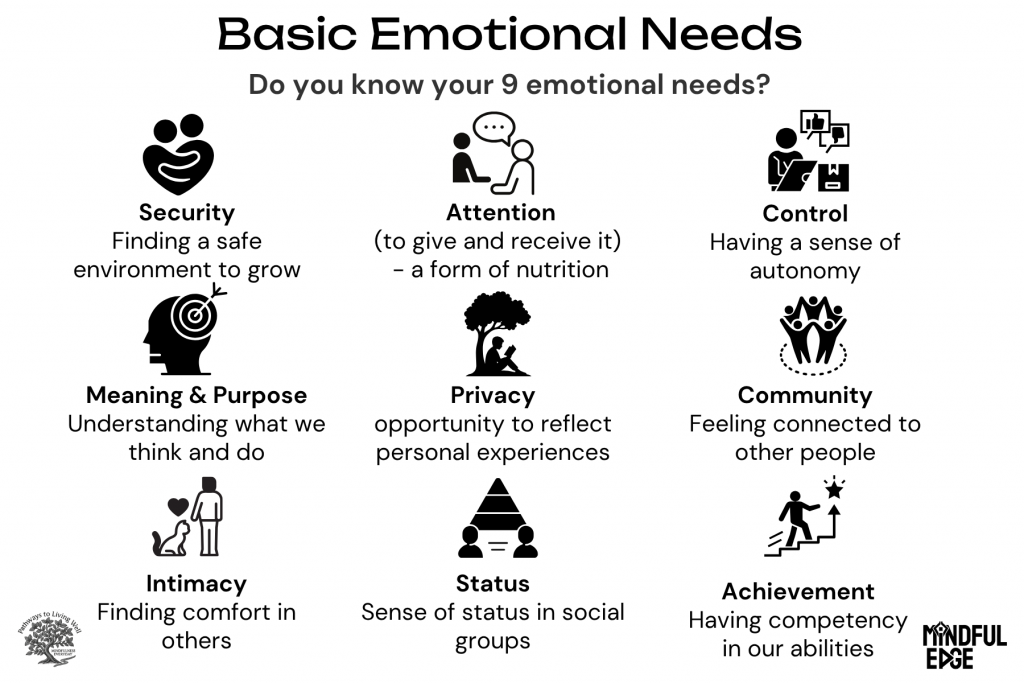
Exploring Unmet Emotional Needs

Emotional needs—such as safety, validation, and connection—are fundamental to your psychological stability. When consistently met, they foster authenticity and intimacy. 
Conversely, unmet emotional needs can lead to exhaustion, defensiveness, relationship conflicts, or feelings of anxiety and depression.

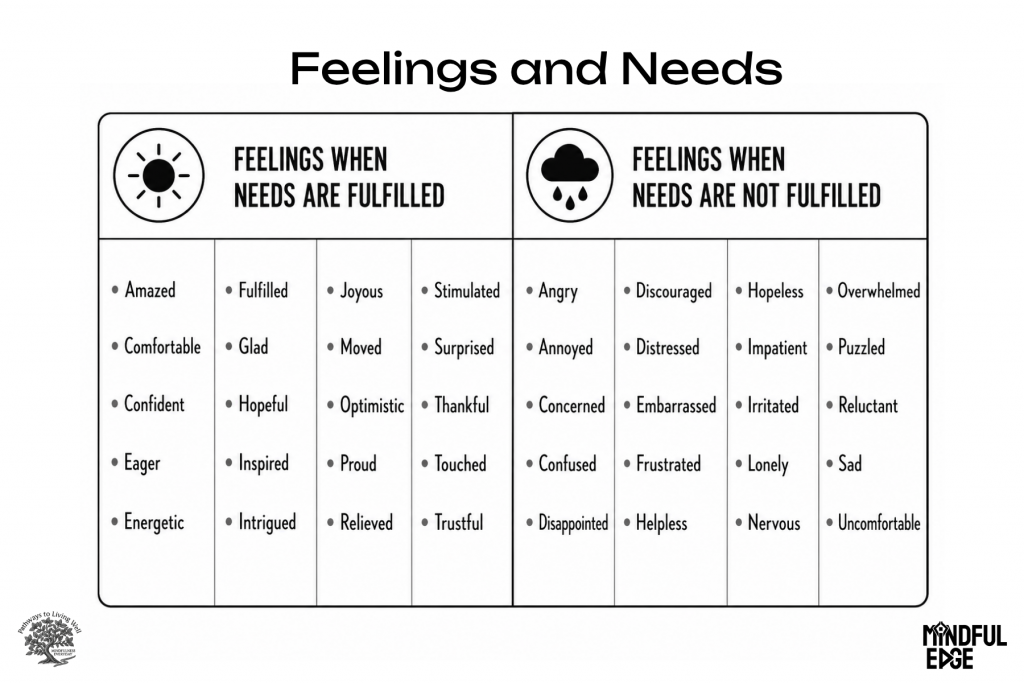
Anger is often a result of unmet needs. This activity exploring unmet needs is included in My Mindful Journey Reflective Journal.

Complete the following chart, determining your emotional needs, answering the question: What do you need?

Reflection Questions

  • Which of your needs are being met right now?
  • Which are being half met?
  • Which needs are not being met at all?
  •  Any physical needs: hunger, thirst, safety?

I need to feel …

Yes

met

½ met

Not

met

I need to feel ….

Yes

met

½ met

Not

met

accepted


included


admired


listened to


appreciated


loved


approved of


needed


capable


noticed


cared about


powerful


competent


I have privacy


confident


respected


forgiven


safe / secure


free


supported


heard


fairly treated


helped


trusted


helpful


understood


important


valued


in control


worthy


Art Activity - Feel the Photo

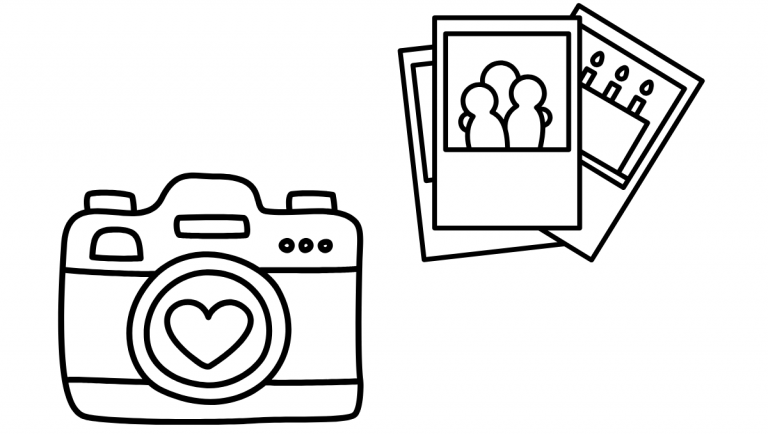
This practice is designed to support you through a time when you are experiencing thoughts and feelings that you do not like. You may be angry, upset, annoyed, frustrated, fearful or confused. Whatever it is that you are finding uncomfortable this practice is for those times.

Instructions

  • When you are experiencing strong emotion, set your camera up as explained above, and go walking with your camera.
  • Choose any location you feel drawn to.
  • As you walk, do not look for a photo opportunity, just walk, paying attention to what you can see.
  • Notice the thoughts and feelings that relate to your difficulty.
  • At some point something will catch your eye. Stop and consider what it is.
  • Move closer. Frame tightly. Create the photo and move on.
  • Repeat this, paying attention to your feelings and the visual feast before you.
  • Act instinctively and release your attachment to what your photos look like.
  • Finish when you feel ready.

Reflection Questions

  • Return home and DO NOT LOOK at your photos! Leave it a day.
  • Next day review your photos and notice the feelings you experience.

Learn More

Just Like Me Practice

“The antidote to fear is gratitude. The antidote to anger is gratitude. You can’t feel fear or anger while feeling gratitude at the same time.”
~ Tony Robbins

The “Just Like Me” practice is a powerful mindfulness and compassion exercise where you silently reflect on shared human experiences with others. By repeating phrases like “This person wants to be happy, just like me,” you build empathy, decrease judgment, and regulate your nervous system for deeper emotional resilience.

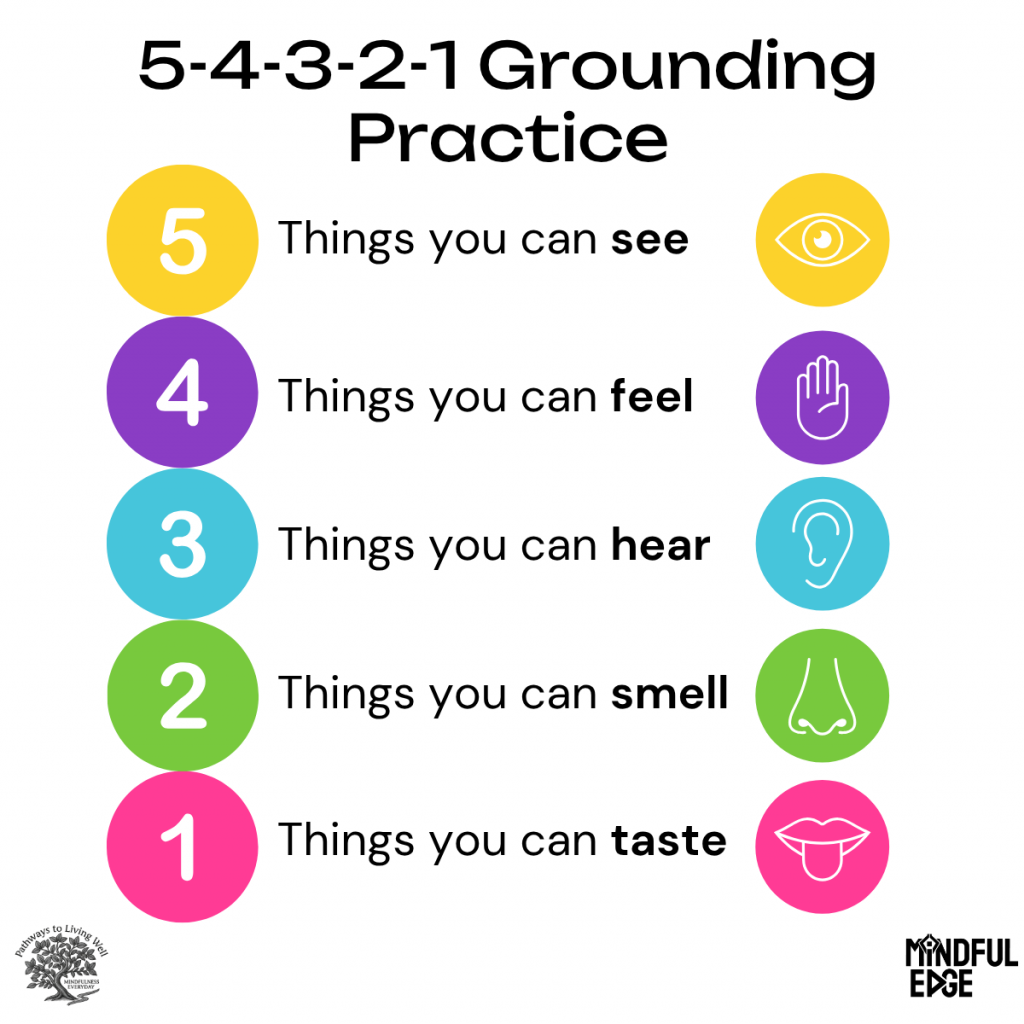
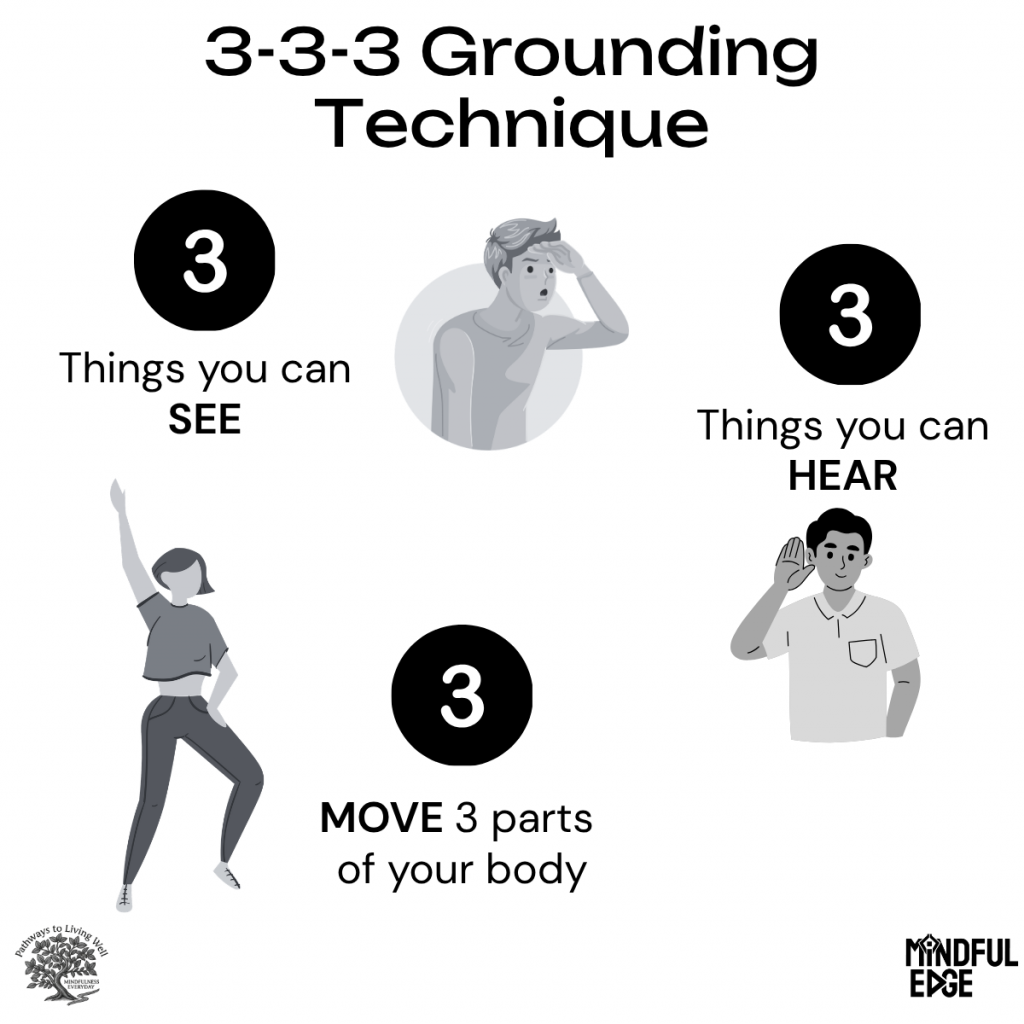
Grounding Practices

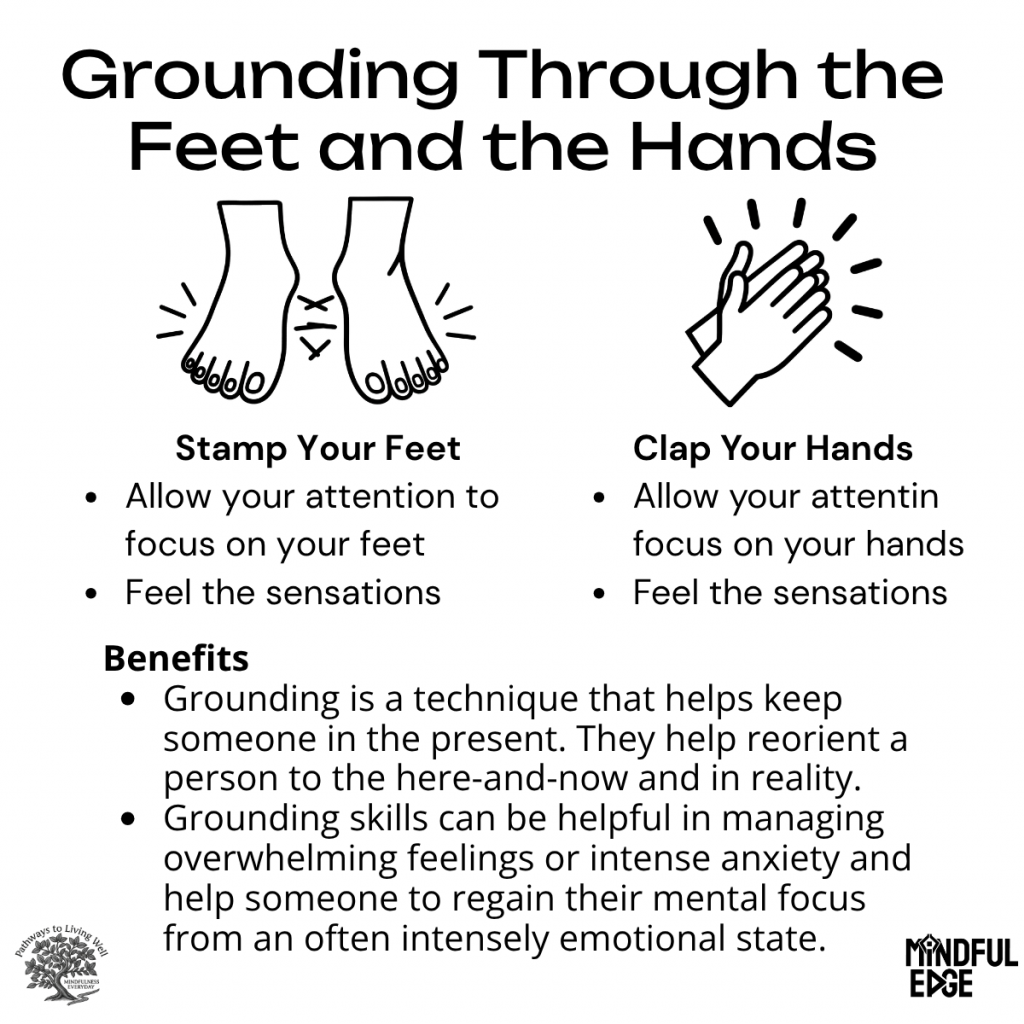
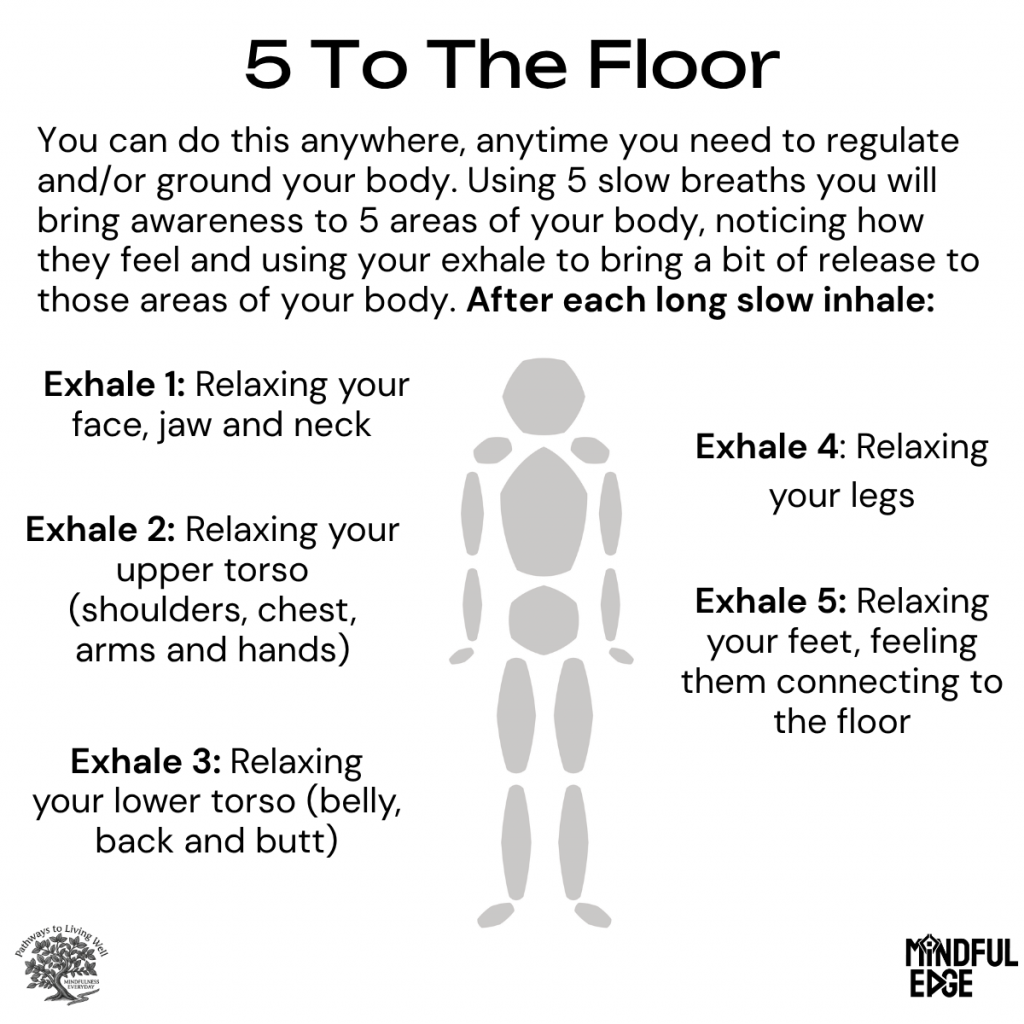
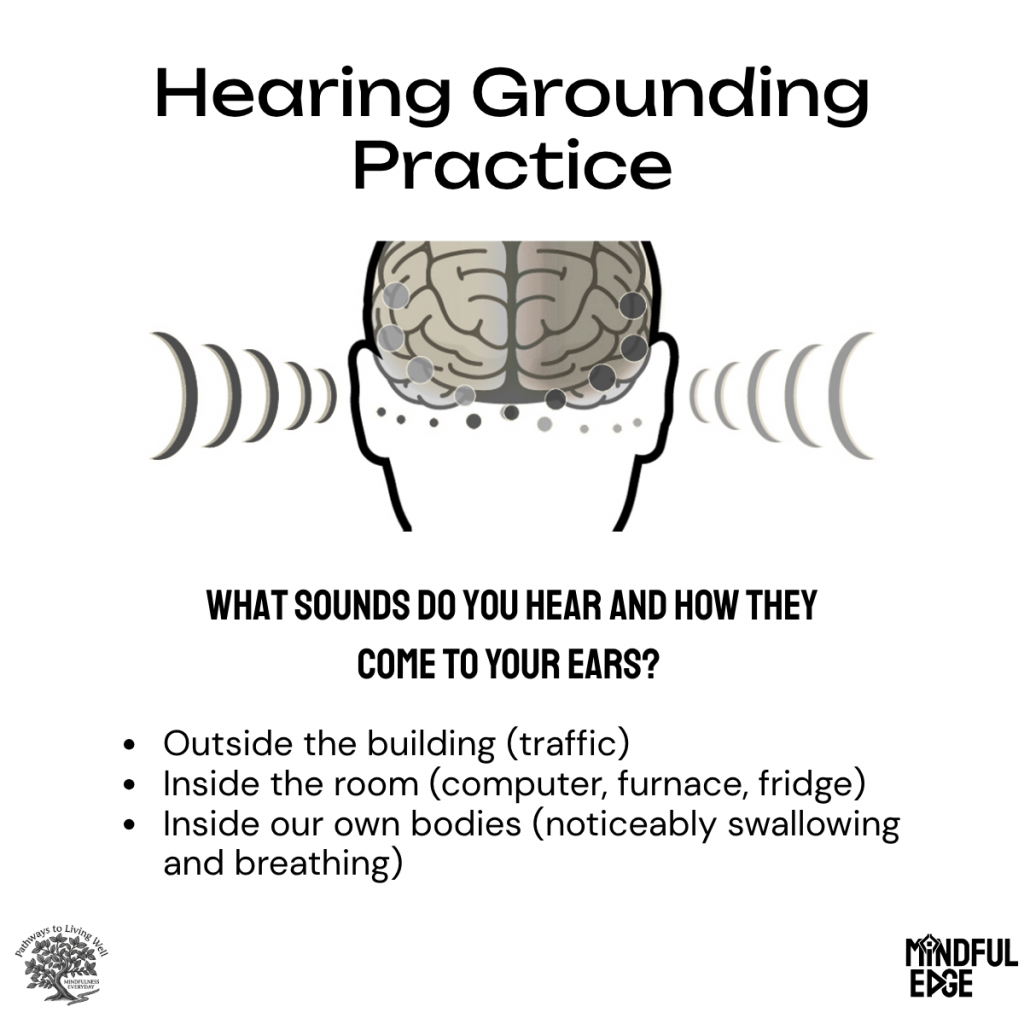
Grounding is a technique that helps keep someone in the present. They help reorient a person to the here-and-now and in reality.
Grounding skills can be helpful in managing overwhelming feelings or intense anxiety and help someone to regain their mental focus from an often intensely emotional state.

Dealing with difficult moments - how to have empathy | AboutKidsHealth at SickKids

This video guides you through an exercise of compassion. Use it when you are finding it hard to show kindness to yourself and others or if you are having trouble getting along with someone in your life. Follow along with this video, listening to the guidance to help you regain a kind perspective towards a difficult situation by AboutKidsHealth at SickKids

Coherent Breathing with Videos

Coherent Breathing with Iconic 2 Bells Video

Coherent Breathing’s Iconic 2 Bells plays in synchrony with a visual sine function, the sine wave (A sine wave represents a single frequency with no harmonics and is considered an acoustically pure tone) rising with exhalation and falling with inhalation. Inhale as the wave falls and exhale Remain still and breathe along with the wave, with equal inhaling and exhaling.

Coherent Breathing with Ocean Whispers Audio

Using multiple microphones, recordings of waves were collected and aesthetically superimposed in a rhythmic pattern to create a meshwork of dancing sounds that pacify the mind and soothe the heart. Enjoy the soothing sound of ocean waves breaking on soft sand.

Web-Based Resources

Websites

 Definition of Coherent Breathing

CB involves conscious breathing at the nominal frequency of 5 breaths per minute with comfortable depth AND conscious relaxation of certain anatomical zones.
We can think of this breath practice as being “coherent” as it allows our heart rate, brain wave and metabolic rate all to be in a sweet spot for our optimal health. To put it simply, this pace allows the rhythms across the body to synchronise and therefore are coherent across the system, making it more efficient. It is the fine balance between energy and relaxation.
Dr Brown says he became interested in this particular breath as it exists across millennia, cultures, and diverse wisdom streams that had no contact with each other.

www.breath-body-mind.com/