How Do Emotions Impact Experience?

overview


We will discover how we can handle our emotions by allowing them to come and go, surfing the waves of our emotions.

Objectives

  • What are emotions?
  • What is their impact on our bodies, mind and behaviour?
  • How can we practice being aware of our emotions in a healthy way without ignoring them or pushing them away?
  • How can we more skillfully respond to our emotions?

Quote

We can handle emotions by allowing them to come and go, surfing the waves of our emotions.

Defined

The Latin derivative for the word emotion, ’emotere’, literally means energy in motion. 
It is the feeling sensation and physiological reaction that makes a specific emotion pleasant or unpleasant

We Will Explore

  • Emotions rise and fall like waves.
  • Observing and allowing the rising and fading away of emotions can mitigate the power of negative emotions.
  • The interconnection of emotions, thoughts and actions.
  • Understanding emotions and moods cultivates emotional regulation and emotional literacy.

Arriving Practice - 5 Senses

5 Senses

The 5 Senses arriving or grounding practice is a mindfulness technique used to anchor you in the present moment

Benefits

  • Interrupts spiraling thoughts
  • Reduces anxiety
  • Strengthens your mind-body connection. 

Mindful Check-In: Weather

A “weather check-in” uses meteorological conditions as a metaphor to quickly and creatively describe your current mood, energy levels, or emotional state. It serves as a great icebreaker or mindful moment to build emotional awareness.

Reflection Questions

  • If you were weather, what weather would you be?
  • How does the weather you chose reflect your current mood?

About Emotions

“Our emotions aren’t up to us.
What we do with them, however, is absolutely up to us.”
~ Ralph De La Rosa

What Emoji Represents How You Feel Now?

EmotionImage_Emoji

We will repeat this activity several times during this lesson, and see if your emotions have shifted.

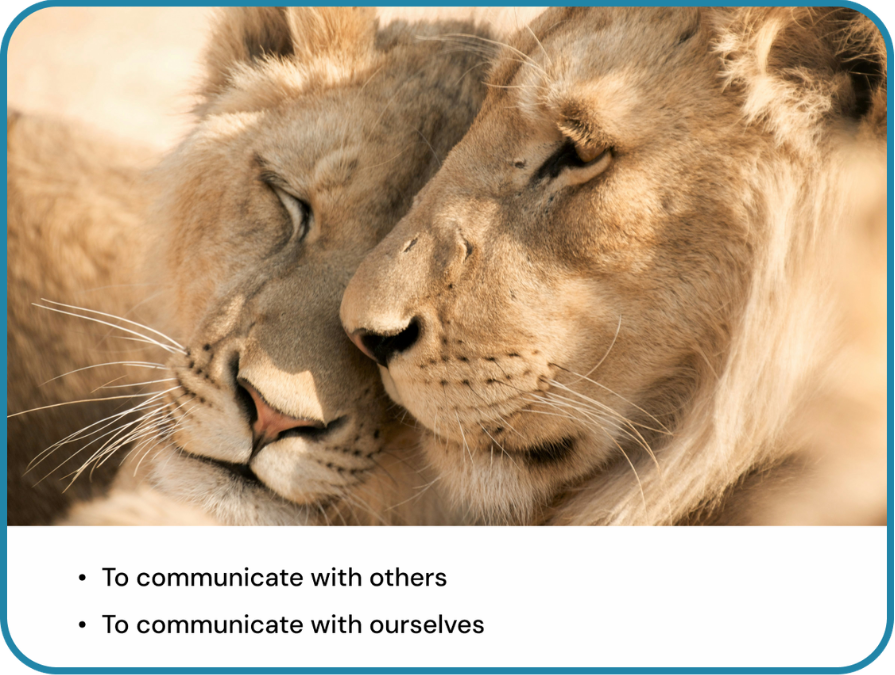
Emotions Communicate and Influence Others

We communicate our emotions to other with verbal and nonverbal (facial expressions, body gestures or postures) language. Some expressions of emotion have an automatic effect on others. When there is a difference in what a person communicates non-verbally versus verbally, the other person will usually respond to the nonverbal expression.

Reflection Question

  • What does the expression of these emotions do for you?
  • How do they influence others?
  • What do they communicate?
    fear – anger 
    sadness – disappointment
    guilt and shame
    joy – 
    surprise – love

Emotions can be self-validating

Emotions can give us information about a situation or event.
They can signal to us that something is going on.
Sometimes signals about a situation will be picked up unconsciously, and then we may have an emotional reaction, but not be sure what set off the reaction. Feeling “something doesn’t feel right about this” or “I had a feeling something was going to happen and it did” are some of the signals we might get.

Reflection Question

Think of times when your feel for a situation turned out to be right.

  • Are there times when you felt anxiety or apprehension that turned out to be justified?
  • Or that you had a good feeling about someone that turned out to be right?

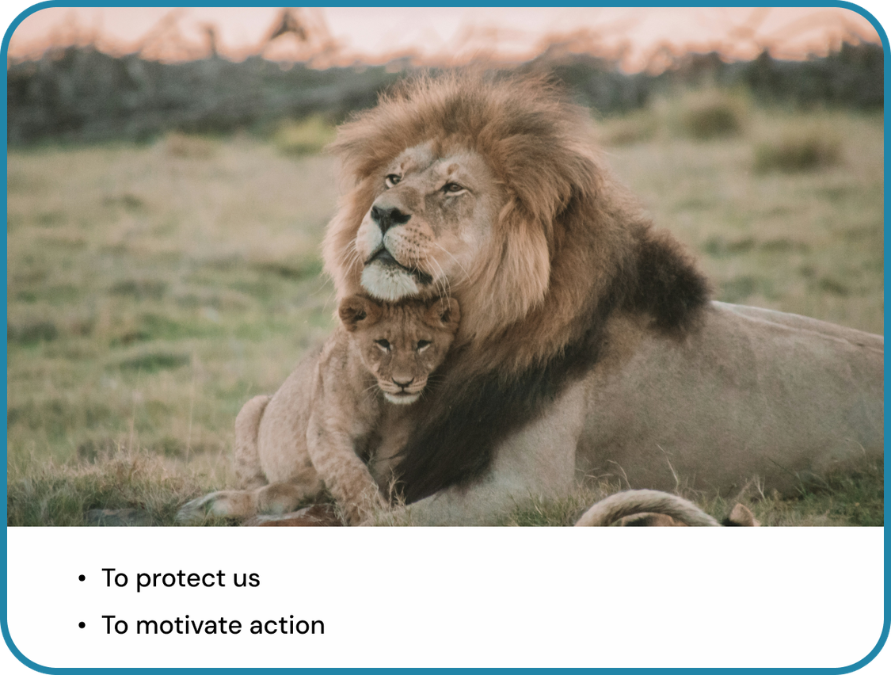
Emotions Organize and Motivate Action

Emotions prepare for and motivate action. There is an action/urge connected to specific emotions that is hard-wired. “Hard-wired” means it is an automatic, built-in part of our behaviour.

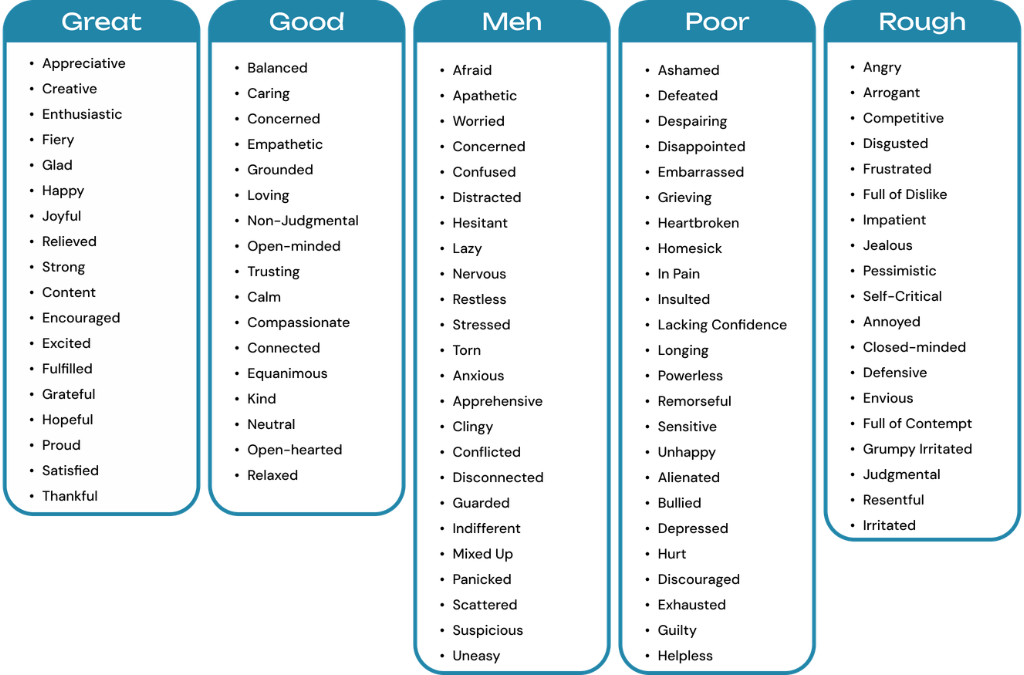
Emotions Have Families

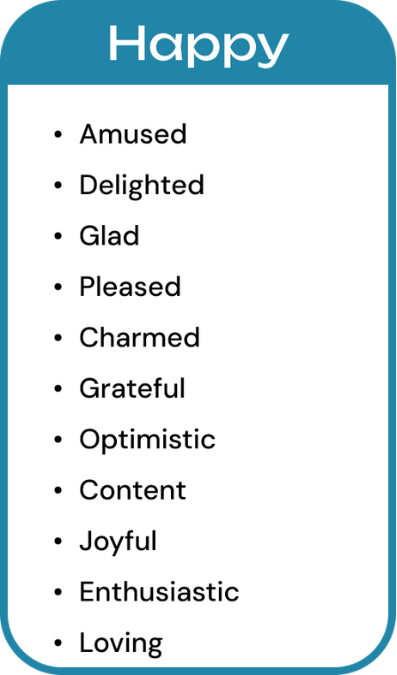
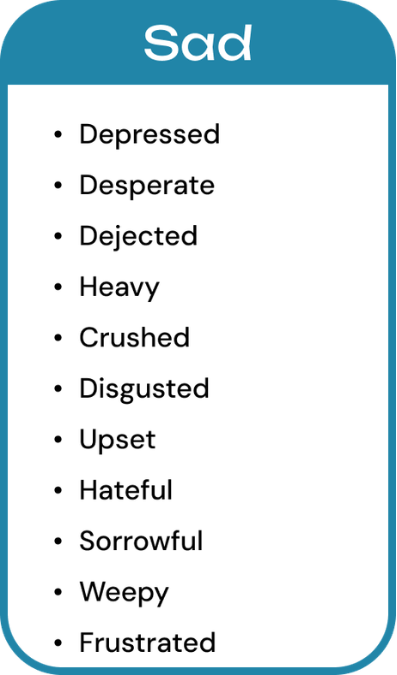
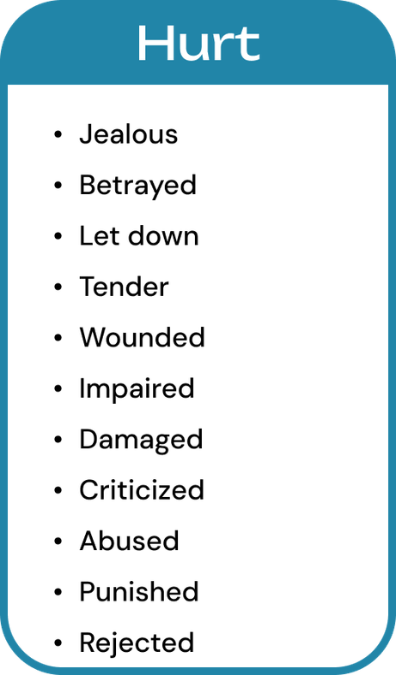
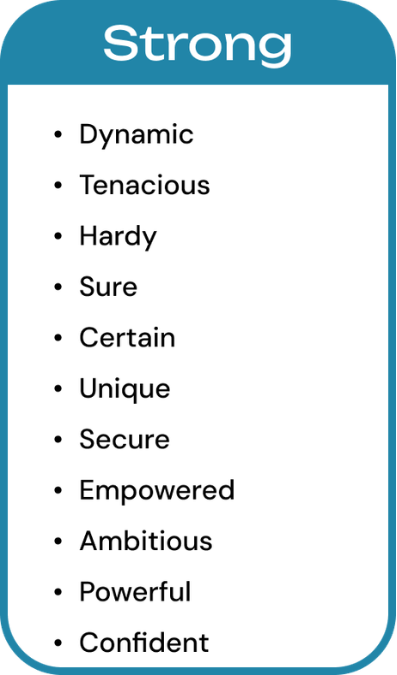
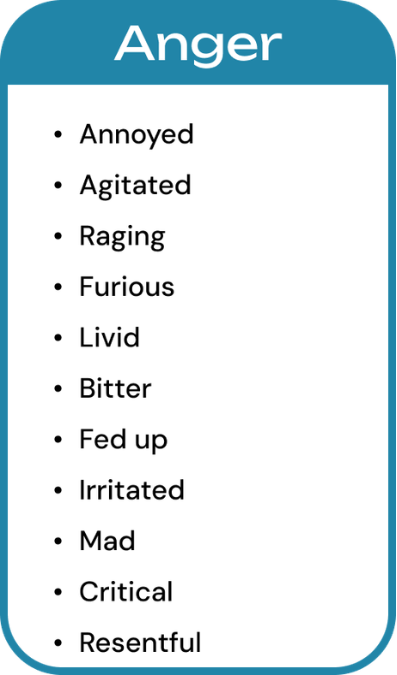
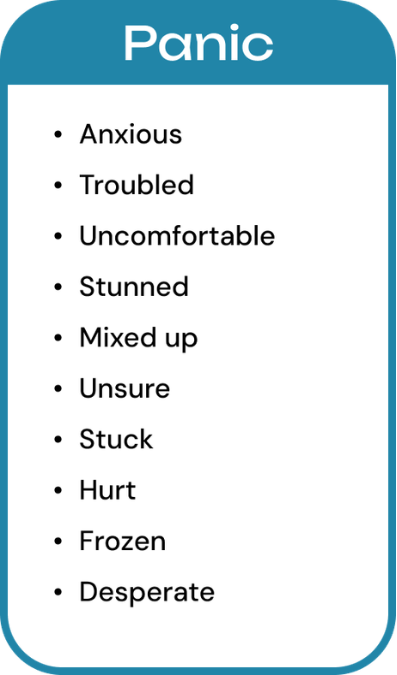
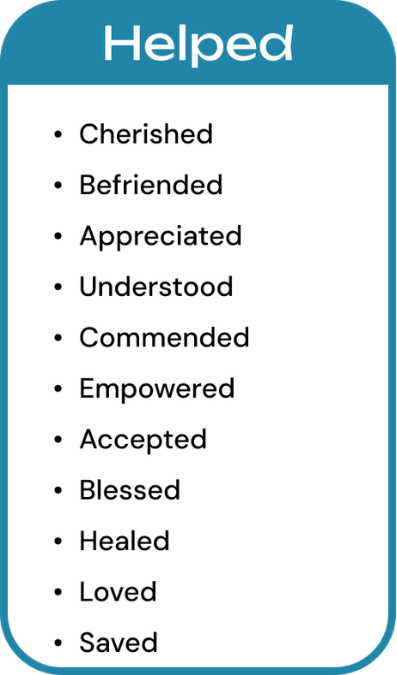
Emotions have families of other emotions connected to them.

Review the chart of emotions

Reflection Question

  • How are you feeling now?

Emotions and the Brain

Ride the waves of emotions.
ride the tides of experience.
let them come.
let them go.
~ Kelly Overman

The Function of Emotions

Connective

Protective

Our emotions aren’t up to us. What we do with them, however, is absolutely up to us. ~ Ralph De La Rosa

Emotions are the very center of our lives. Whether acknowledged or not, they drive everything we perceive, believe, think, say, and do. From one vantage point, your emotional state is the most important variable in any situation. It not only influences all your output; it filters everything you take in as well. 
The parts of us that express our afflictive emotions are very much like people. If we relate to them with understanding and care, there tends to be one kind of outcome. If we relate to them by shoving them in the basement or forcing them to change, we get another kind of outcome.


Breath Practice - Bunny Breath

Bunny Breath

Bunny breathing (3 short sniffs in, 1 long exhale) is a powerful mindfulness technique designed to help quickly regulate your nervous system.

Benefits

  • Nervous System Reset: The extended exhalation physically triggers the parasympathetic nervous system, allowing you to calm down and feel more grounded.
  • Energy and Focus: The rapid, multiple inhalations oxygenate the bloodstream, providing a quick mental wake-up call to shake off brain fog or distraction.

Reflection Question

  • Did this practice calm you down?
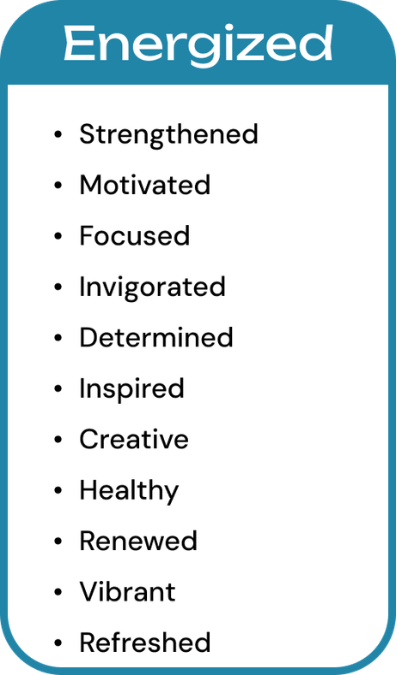
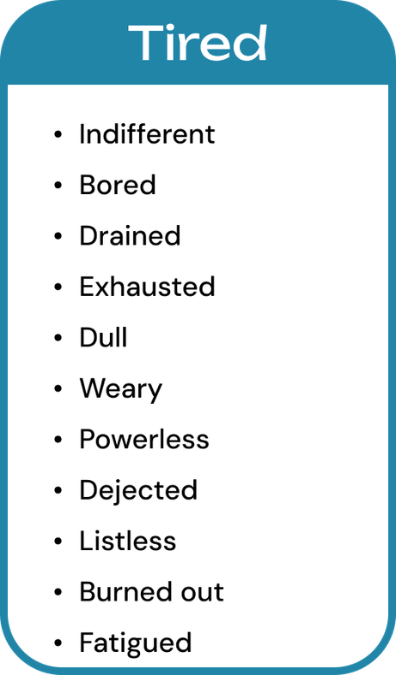
  • Or make you feel more energized?

4-step Plan for Managing Emotions – Name it to Train It

The plan for managing emotions is often referred to as “Name it to Tame it” (coined by psychiatrist Dr. Dan Siegel). By labeling a feeling, you move away from a reactionary state and engage your brain’s rational thinking areas, creating immediate and long-term psychological benefits.

Name The EMotion

What is it?

Accept The EMotion

It is always ok to feel your emotions. 

Express The Emotion Safely

Expressing the emotions is the only way to release it. 

Take Care of Yourself in a Healthy Way

What do you need to take care of yourself?

Benefits

  • Immediate Brain Calming: Affect labeling (naming the emotion) reduces amygdala activity (the brain’s stress and fear center) while activating the prefrontal cortex for reasoning and self-control.
  • Decreased Reactivity: Naming an emotion creates psychological distance, making you less likely to act impulsively or lash out.
  • Increased Self-Awareness: It builds emotional granularity (the ability to identify specific feelings rather than broad states like “bad”), helping you understand exactly what your triggers and needs are.
  • Stronger Relationships: When you can articulate your own emotions with clarity, communication with family, friends, or coworkers significantly improves.

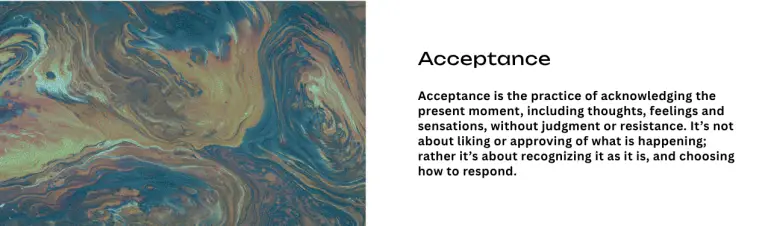
Mindful Attitude - Acceptance

Mindful Attitude - Acceptance

Healthy Habits - Create & Connect

Create

Connecting to our own creativity helps us live fuller and more meaningful lives, whether it be doodling, drawing, singing, coloring etc.

Connect

When we connect with other people, (ideally in person), and connect to and appreciate nature we activate and reinforce the brain’s relational circuitry.

Mindful Movement - Neck & Shoulder Release

This targeted neck and shoulder release flow helps alleviate tension and release muscle tension from “tech neck”, poor posture, and stress. This 5-minute movement flow requires no equipment and focuses on mobilizing the upper body through slow, breath-led stretches, relieving muscle tightness, and releasing tension in areas where our bodies tend to hold stress.

Benefits

These movements actively improve joint flexibility, boost blood circulation, and reduce the risk of strain, leading to enhanced overall well-being. These movements may also help mitigate the intensity of headaches that may be caused by neck and shoulder tension. 

Reflection Questions

  • Do you carry a lot of tension in your neck and shoulders?
  • What did you notice? Physically? Mentally? Emotionally?

Focus Practice - Ocean Visualization

Ocean Visualization

“Mind is Like the Ocean” visualization teaches you to observe your mental turbulence without getting swept away. By anchoring your awareness deep beneath the chaotic, crashing surface—where the mind is permanently calm and clear—you can build emotional resilience and reduce daily anxiety.

Benefits

  • Decreased Reactivity: Viewing your thoughts as passing waves prevents you from immediately reacting on autopilot or ruminating on negative narratives.
  • Emotional Regulation: It fosters the capacity to let intense feelings rise and fall naturally without letting them hijack your emotional state.
  • Physiological Health: Practicing this type of presence has been proven to lower stress hormones (like cortisol), reduce inflammation, and enhance the body’s natural resilience. 

Reflection Question

  • What emotions did you experience during and after the Ocean Visualization?

My Mindful Journey Reflection Journal

Complete the activities:

  1. Emotion Emoji List Check-in Activity

  2. Emotions Vocabulary Check-in Activity

  3. Emotions List Check-in

Download Printable PDF HERE

The Wrap Up & Check-in

Key Points About Thoughts

  • Mindful Practices that observe emotions cultivate well-being.
  • Emotional literacy can be cultivated by identifying different emotions.
  • Recognizing that an emotion may have a corresponding feeling in the body.
  • Naming an emotion as it experienced can help cultivate self-regulation.
  • Emotional intelligence combines self-awareness, self-control, empathy, and strong.

Final Reflection and Check -in

Emotion Check-in

  • What emotion or emotions are you feeling now?

Reflection Questions

  • Was there a shift in how you feel after doing this lesson, learning aboutemotions and doing the activities and practices?
  • How can you incorporate this into your life?

Emotion Check-in

Resources

ResourceActivities_4

Emotion Lesson Activities

ResourceArt_5

Art Activity

ResourceLearn_3

Learn More

Web-based Resources

Videos to Watch

Emotion Lesson Activities

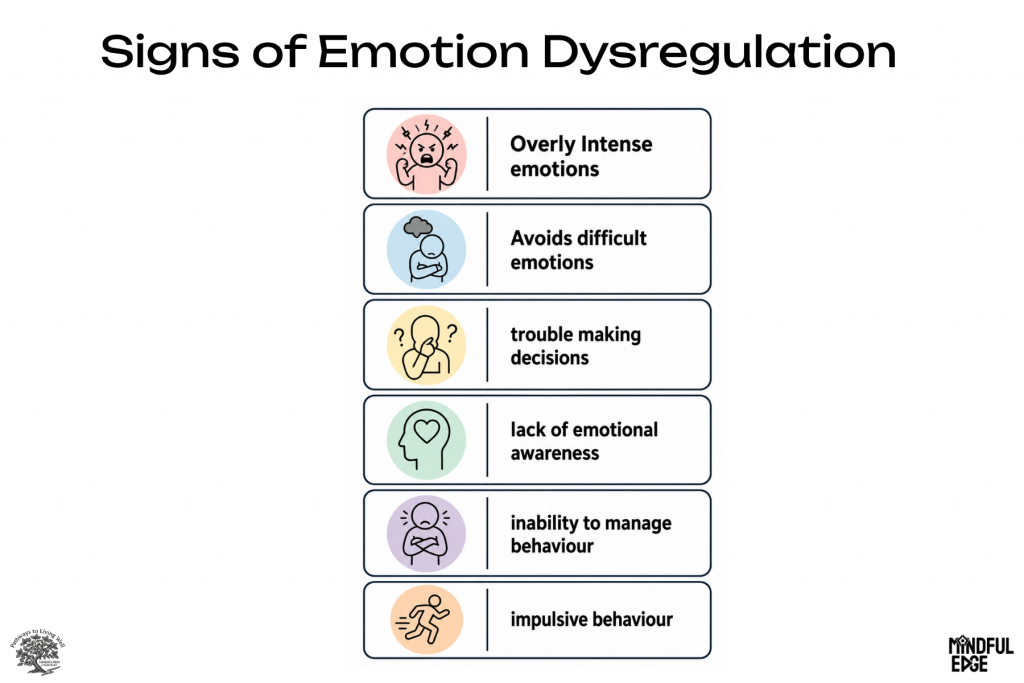
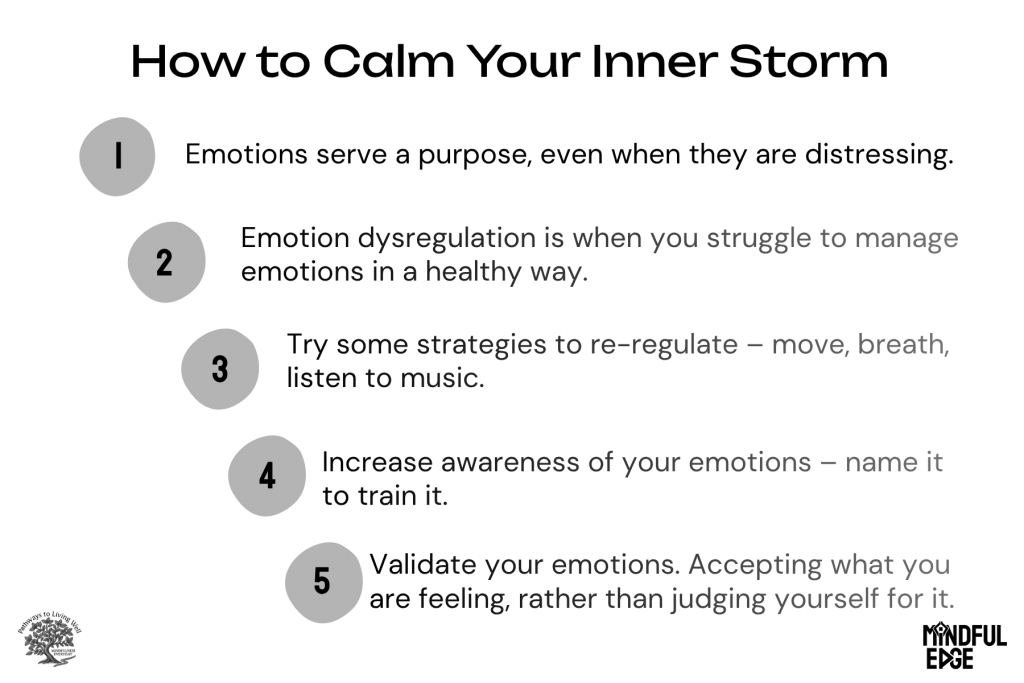
Recognizing Dysregulation and Calming your inner Storm

Being aware of what you are experiencing provides the opportunity to determine what you need. By recognizing signs of dysregulation, you can take practice steps to restore your inner calm.

Focus Practice - Heartfulness

Heartfulness

Art Activity - Mind The Music

Instructions

  • Dim the lights to bring your attention to the sense of hearing, mindfully hearing the sounds.
  • Listen to a segment of music.
  • Direct your attention to the sounds of the music while noticing any thoughts or images, feelings & body sensations that may arise as a result of listenting to the music.
  • When music segment ends, record the images, thoughts, feelings & body sensations in their notebooks.
  • Repeat with another genre of music.

Benefits:

  • Mindful listening helps increase awareness of internal “mind chatter”
  • Awareness of emotions that arise out of what you hear.
  • Music is one way you can maintain good mental health.

Music can:

  • Help reduce anxiety
  • Help manage stress
  • Improve quality of sleep
  • Improve your mood

Reflection Questions – Mind the Music:

  • What was your experience of listening to the differenct ypes of music?
  • Did you notice a difference in the images, thoughts, feelings & body sensations for the different types of music?
  • Did you find anything that surprised you?

Make Your Own Playlist

Notice how you feel listening to these music videos. Add your own “Feel Good Playlist”.

Sara Bareilles – Brave

https://youtu.be/QUQsqBqxoR4?list=PLOeE_TREkM-Ml3dih7UJcm-ZjddnkK8iG

Great Big Sea – Ordinary Day

https://youtu.be/-wcjBU8zbdY?list=PLOeE_TREkM-Ml3dih7UJcm-ZjddnkK8iG

Music can evoke powerful emotional responses such as chills and thrills in listeners.

Positive emotions dominate musical experiences. Pleasurable music may lead to the release of neurotransmitters associated with reward, such as dopamine. Listening to music is an easy way to alter mood or relieve stress. Would you consider music to alleviate stressful times?

  • What do you play when you are feeling: Sad? Happy? Angry? Frustrated? Etc.

Learn More

Social & Emotional Intelligence

Emotions & Social Intelligence

Emotional intelligence is defined as the ability to understand and manage your own emotions, as well as recognize and influence the emotions of those around you.

Emotional Intelligence in Leadership

  • Daniel Goleman emphasizes that beyond knowledge and vision, great leaders excel through emotional intelligence — the ability to recognize, understand, and manage emotions in themselves and others.

    He defined 4 key competencies: Self-Awareness, Self-Management, Empathy and Relationship Skills.

    He discovered that for jobs of all kinds, at all levels, on average, emotional intelligence was twice as important as cognitive ability in terms of the distinguishing competencies. The higher you go in the organization, the more it matters.

    More information here: https://danielgolemanemotionalintelligence.com/why-emotional-and-social-intelligence-matters-for-todays-leaders/

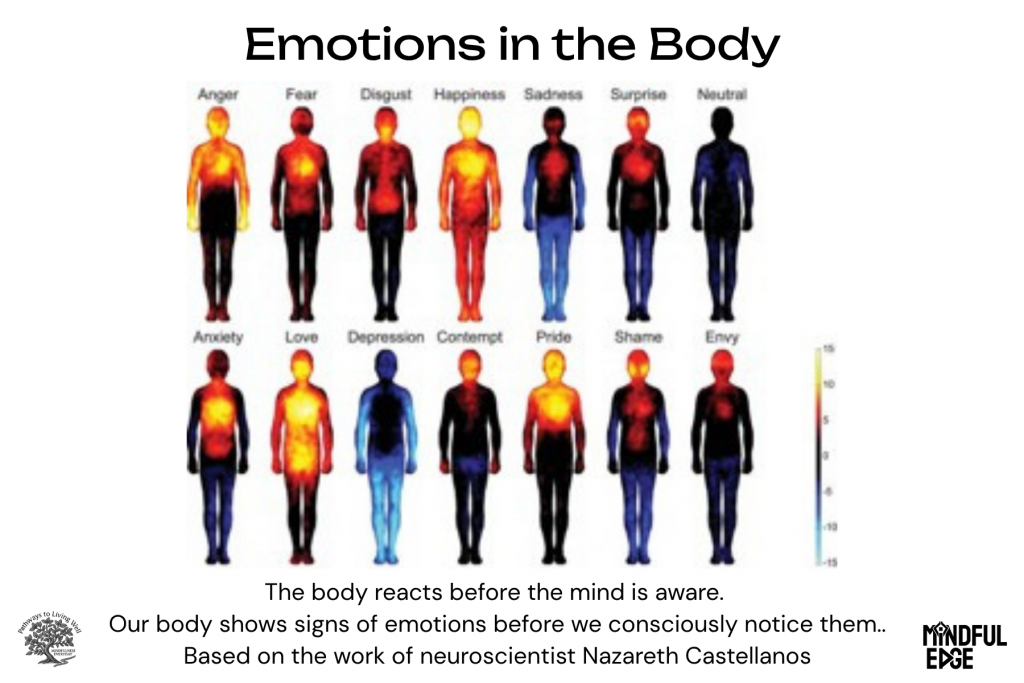
Emotions Are Not Just In Our Heads!

  • Emotions usually have a “feeling component” – an actual physical sensation that we experience and can identify in our bodies.
  • The body knows about 1 second before our brains do when we are feeling a strong emotion—like fear.
  • Being mindful of what is happening in our bodies can help us know what is happening with our emotions and vice versa. Especially your gut!

Main Ideas

  • The body reacts before the mind is aware. Our body shows signs of emotions before we consciously notice them.
  • Meditation changes the brain. Research shows meditation reshapes brain structures linked to attention, emotional regulation, and kindness.
  • Brain-body connection. Emotions are not just mental — they are felt in the body. Recognizing sensations (like where anger or joy shows up) helps us respond before emotions “explode.”
  • Brain plasticity. The brain can sculpt and regenerate itself through habits, body practices (yoga, tai chi, sports), and meditation.
  • Habits shape us. “I am not as I am, but as I am used to being.” We must replace old habits with new, intentional actions — simply trying to “not do” something reinforces it.

Practical Takeaways

  • Pay attention to body sensations to notice emotions early.
  • Movement, sports, and body awareness practices strengthen the brain.
  • Meditation is a universal human practice that helps us focus, regulate emotions, and reshape the brain.
  • With intention and practice, we can change how we think, feel, and act.

Fun Facts about Emotions

There are over 3,000 words in the English language to describe emotions!

Research has proven time and time again that people unconsciously mimic the emotional expressions of those around them. Whether being “infected” with a smile or picking up positive energy online, us humans just can’t help ourselves from “catching” emotions from other people.

  • How many do you use when describing how you are feeling?

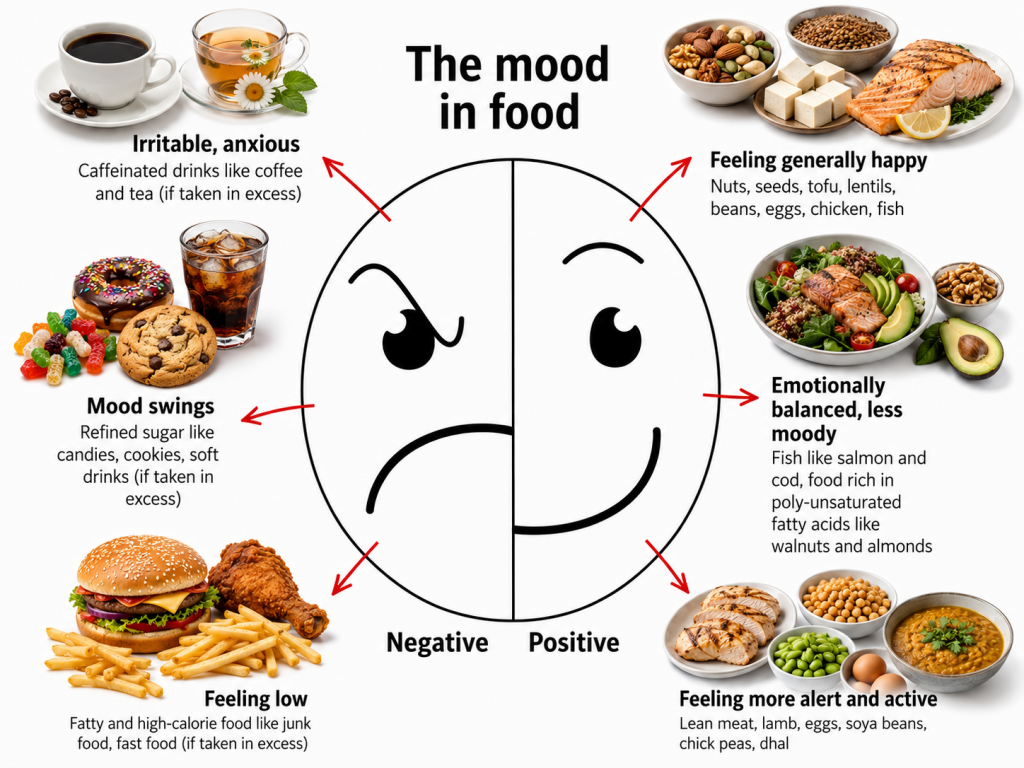
Food & Mood

Sugar artificially jacks up your dopamine. But if your brain gets too much of a hit at once, it shuts down the dopamine valve because it is overwhelmed and you crash: fatigue, memory impairment, headaches, irritability, so you get cravings for more, and the cycle starts all over again

AND

You don’t get happier eating MORE in the long term. In fact, the opposite.

SO

Have one piece of chocolate. Not 10!

OR

Exercise!

Videos to Watch