What is Stress?

overview

Being aware of our stressors and the signs of stress in our bodies and minds can help us make more informed decisions about how to manage them. 

Mindfulness, which involves paying attention to how the body feels, what we think, and what we feel, can help prevent the buildup of negative stress effects. 

Mindful awareness can enhance our well-being and resiliency.

We will explore:

  • What is stress?
  • How does stress affect experience?
  • How can mindfulness & awareness help manage the effects of negative stress?

Quote

You can’t stop the waves,
but you can learn to surf.
~ Jon Kabat-Zinn

Objectives

  • Learning what Stress is
  • Learning how stress impacts the entire body, including the mind.
  • Understanding the effects of stress on different facets of life, including sleep, academic performance and interpersonal relationships.
  • Learning how mindfulness can help ease and manage responses to stressful situations.
  • Learning practices/healthy habits/attitudes for managing stress. 

Key Points About Stress

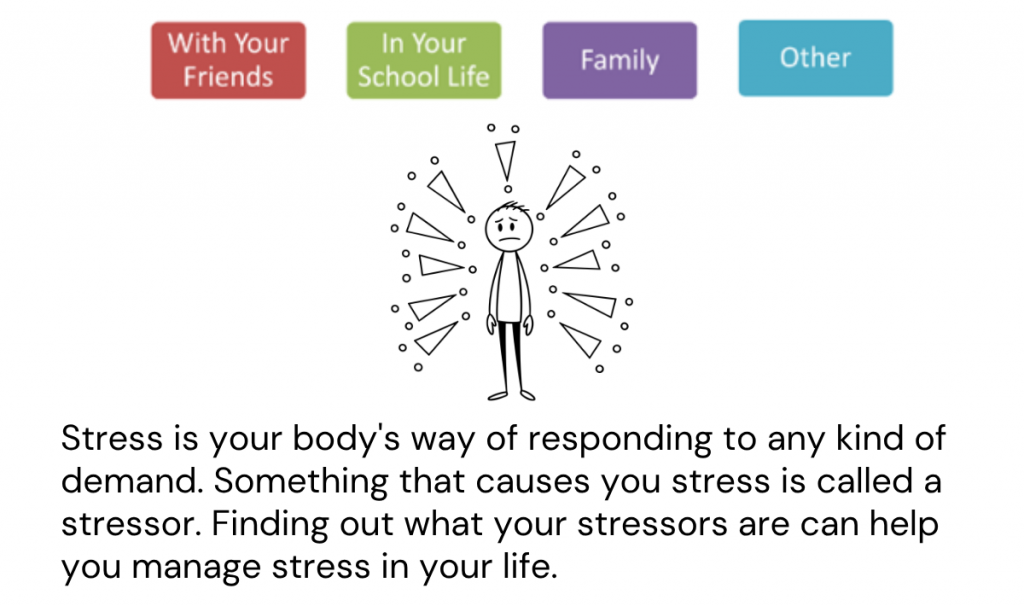
  • Stress is neither good nor bad; stress is your body’s way of responding to any demand.
  • Too much stress for too long can become harmful to the body, mind and heart.
  • How you view stress – as a challenge instead of a threat can mitigate the negative impact of stress.
  • Recognizing the physical symptoms of stress and identifying stressors can help manage stress.
  • Managing stress can help us recover more quickly from stressful experiences.

Arriving Practice - Listening to the Bell

Listening to the Bell

Listen

What is the point of aN Arriving Practice?

The point of a mindful arriving practice is to anchor your mind and body in the present moment, shifting you out of “autopilot” or mental time-traveling. It breaks the cycle of daily rushing and anxiety by helping you consciously step into the “here and now”.

Benefits:

  • Stress Reduction: It signals to your nervous system that you are safe, allowing your body to release built-up tension before transitioning into work or a new task.
  • Improved Focus: By grounding yourself first, you clear mental clutter, which enhances concentration and helps you avoid burnout.
  • Emotional Control: It creates a “buffer” between you and your immediate reactions, giving you the ability to choose how you respond to situations rather than acting on impulse.

Reflection Question

  • What do you do to help yourself make transitions from one mental/physical space to another?

Mindful Check-In: Energy

Energy

Listen

Check-in Practice - Battery Graphic
 

If you were a battery:

Where is your energy now?


What do you need?

What is the point of a check-in

A mindful check-in is a purposeful pause used to assess your current mental, emotional, and physical state without judgment. Its primary point is to shift you out of “autopilot,” helping you regulate emotions, reduce stress, and meet your immediate needs with clarity.

Benefits:

  • Emotional Regulation: It help you determine what you are feeling so you can respond to situations thoughtfully rather than reacting impulsively.
  • Stress Reduction: It releases physical tension and re-centers your energy, helping to prevent burnout.
  • Self-Compassion: It nurtures a caring relationship with yourself by acknowledging your needs in real time.


Without knowing where you are at, you cannot assess what you need. ~ Heidi Bornstein

Breath Practice - Conductor Breath

Conductor Breath

Watch

A movement and breath combination for moving energy.
Feeling tired? Feeling Wired? Try this to regulate your energy.

Benefits:

  • Reduces stress and anxiety,

  • Boosts energy,

  • Increases focus

  • Releases stored emotional or physical tension.

Reflection Questions:

  • How are you feeling after this practice?
  • If you were wired, did it help calm you down?
  • If you were tired, did it give you a bit more energy?
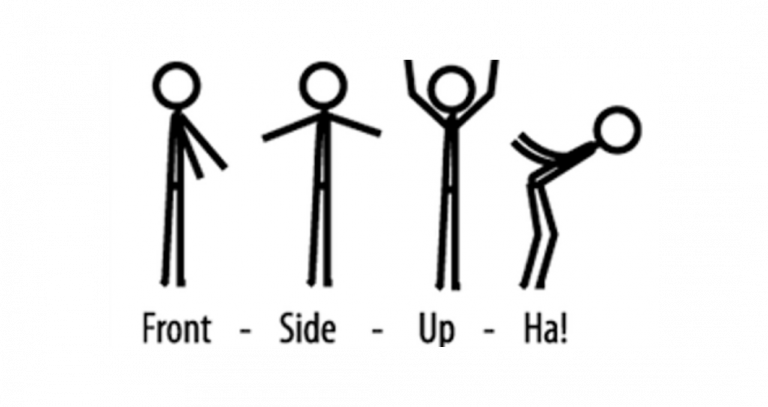
COnductor Breath Image

Stress Information

Stress Page Graphic - Automatic Nervous System

Automatic Nervous System

Stress Page Graphic - Chemicals of Stress

Chemicals of Stress

Stress Page Graphic - The Physiology of Stress

Physiology of Stress

StressImage8

Perception of Stress

Autonomic Nervous System

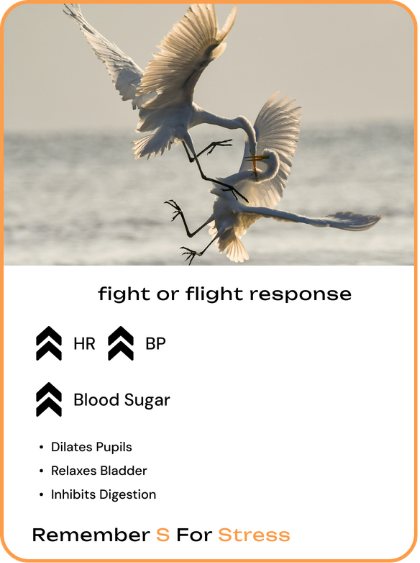
Sympathetic
Nervous System

Stress Page Graphic - Sympathetic Nervous System

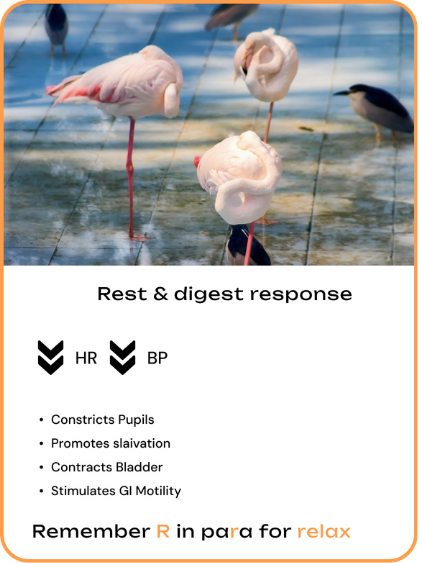
Parasympathetic
Nervous System

Stress Page Graphic - Parasympathetic Nervous System

Chemicals of Stress

The Three Major Stress Hormones:
Adrenaline, Cortisol, Norepinephrine

When stressed, our bodies react by releasing chemicals into the blood, giving us more energy and strength.

Stress Page Graphic - The Chemicals of Stress

Physiology of Stress

Stress Page Graphic - Stress Body
 Stress impacts all organs in the body
 
The body doesn’t always distinguish between a real or perceived threat; the chemical and physiological reaction in our bodies and minds is the same. i.e., imagining a stressful situation will elicit a stress reaction

Perception of Stress

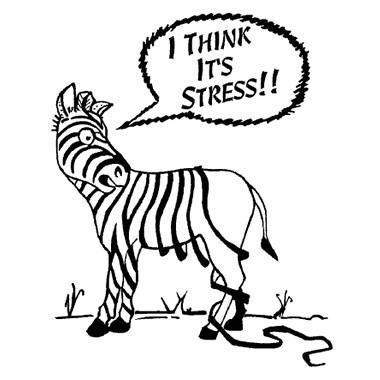
I think it's Stress - Stressed Zebra

It’s our perception that can impact our response. 

Mindful awareness can help manage the effects of negative stress by viewing stress as a challenge rather than a threat. 

Unhealthy Stress:
Reacting to stress as a threat that you feel you don’t have the resources to overcome (e.g. time)

Healthy Stress:
Responding to stress as a challenge that will be difficult, but you think you can successfully tackle 

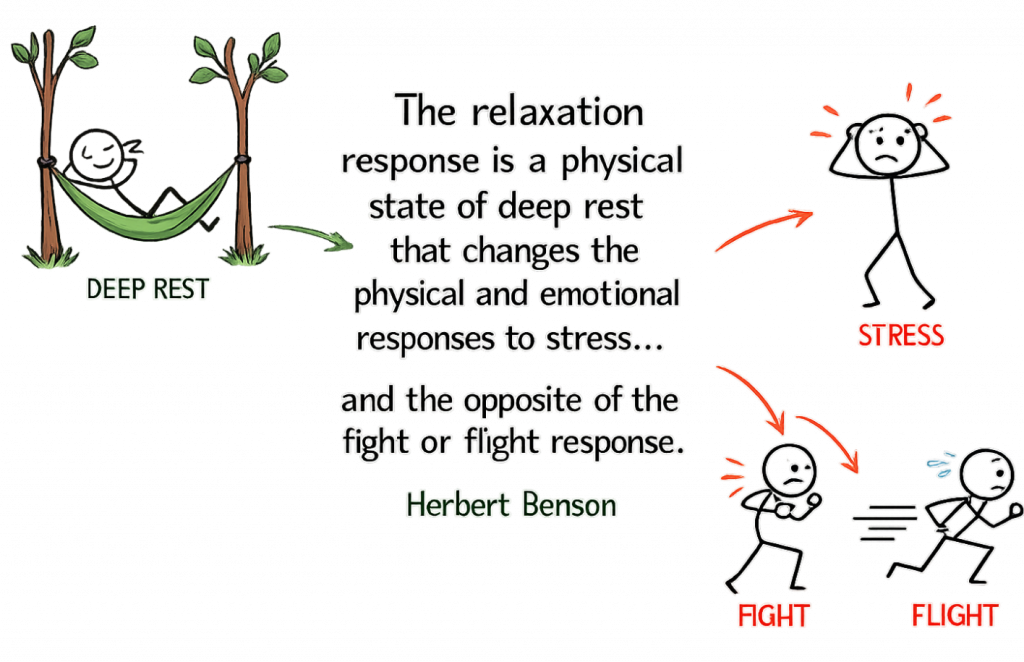
The Relaxation Response

StressfulDayStrategies

Reflection Question

  • What activities help you?
  • Which ones are part of your life?
  • Which one could you consider to including in your life?

Healthy Habits - Overview

Healthy Habits Overview

There are 12 Healthy Habits which support well-being, especially brain function. We will be examining each of these in the next lessons.

Mindful Attitudes - Overview

You cannot control what happens to you,
but you can control your attitude toward what happens to you,
and in that, you will be mastering change rather than allowing it to master you.
~ Brian Tracey

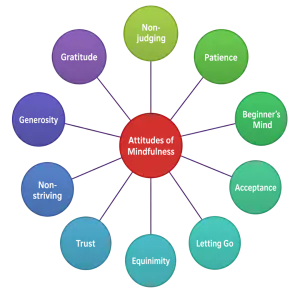
There are 10 foundational mindful attitudes that support infusing mindfulness into your life. The underlying principle is interest and curiosity in your own experience as it unfolds. We will be examining each of these in the next lessons.

Breath Practice – The Physiological Sigh

The Physiological Sigh

Watch

Benefits:

  • Rapid Stress Reduction: Triggers an immediate shift from the sympathetic “fight-or-flight” state to the parasympathetic “rest-and-digest” state.
  • Lowers Heart Rate: Long, slow exhales cause the diaphragm to move upward, signaling the brain to slow down the heart’s pacing.
  • Maximizes Oxygen Exchange: The second “sip” of air forcefully reinflates deflated air sacs (alveoli) in the lungs, expanding their surface area.

Reflection Questions:

  • How did you feel before and after the practice?
  • What sensations did you notice in your body?
  • How could you use this technique in everyday life?

Mindful Movement & Focus Practice - Standing Like a Mountain & Vitruvian Balance

Mountain to Vitruvian

Watch

Mountain Pose Benefits:

  • Increasing body awareness
  • Increases strength, power, and mobility in the feet, legs, and hips
  • Strengthens the thighs, knees, ankles, and core while increasing power and mobility in the feet, legs, and hips.
  • Promotes better posture, steadier breathing, and greater balance.

Balance Pose Benefits:

  • Builds core stability
  • Enhances proprioception (body awareness in space)
  • Sharpen mental focus

Regularly practicing these poses strengthens smaller stabilizing muscles, and improves overall posture. 

Reflective Questions:

  • How do you feel? Calm? Stressed?
  • Did this make you feel more tired or more energized?
  • Did this balancing practice help you focus?

My Mindful Journey Reflection Journal

How Does Stress Affect You?

Complete the 4 activities and Evaluation:

  1. What Stresses You Out? Quiz
  2. What is Your Stress Signature?
  3. Where Do You Feel Stress in Your Body? Quiz
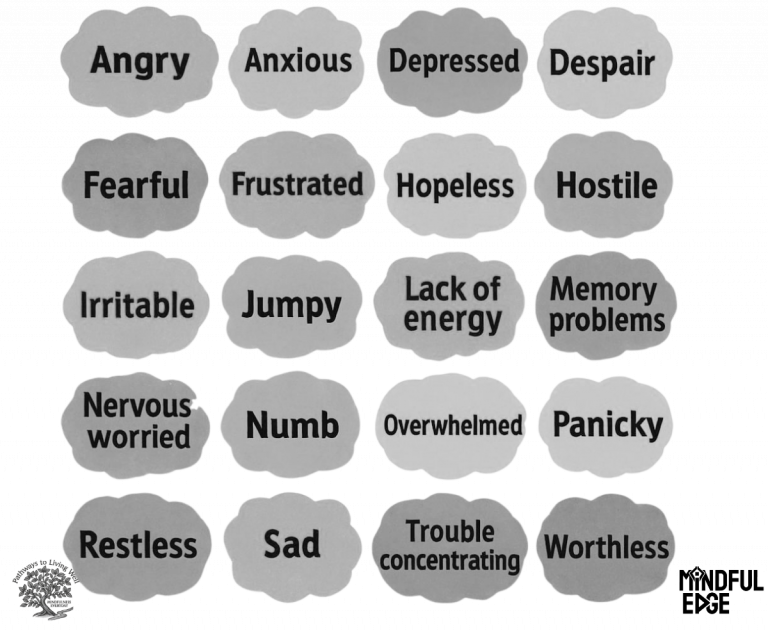
  4. How Do You Feel Emotionally When You are Stressed? Quiz 

Download Printable PDF HERE

1.  What Stresses You Out? Quiz 

Stress Lesson Activity - What Stresses You Out?

2. What is Your Stress Signature? 

Stress Lesson Activity - What Is Your Stress Signature?

3. Where do you feel stress in your body? Quiz 

Stress Lesson Activity - Where Do You Feel Stress In Your Body?

4. How Do You Feel Emotionally When You are Stressed? Quiz 

The Wrap Up

Key Points About Stress

  • Stress is neither good nor bad; stress is your body’s way of responding to any demand.
  • Too much stress for too long can become harmful to the body, mind and heart.
  • How you view stress – as a challenge instead of a threat can mitigate the negative impact of stress.
  • Recognizing the physical symptoms of stress and identifying stressors can help manage stress.
  • Managing stress can help us recover more quickly from stressful experiences.

Final Check-in & Reflection

What Did We Do Today?

  • Arriving: Listening to the Bell
  • Check-in: Energy Level
  • Breathing: Conductor Breath / Physiological Sigh
  • Movement: Standing Like a Mountain
  • Focus: Vitruvian Man
  • Stress: Information, Activities and Practices – please specify
  • Attitude: Overview

How is your energy now?

Reflect on the following questions:
  • Was there a shift in how you feel after doing this lesson, learning about stress and doing the activities and practices?
  • What practices helped you with coping with stress?
  • What are your Strategies for Stress Management? 

Explore

ResourceActivities_4

Stress Lesson Activities

ResourceArt_5

Art Activity

ResourceLearn_3

Learn More

Videos to Watch

Web-based Resources

Stress Lesson Activities

Additional stand-alone activities that support the lesson theme. 

Multitasking Activity

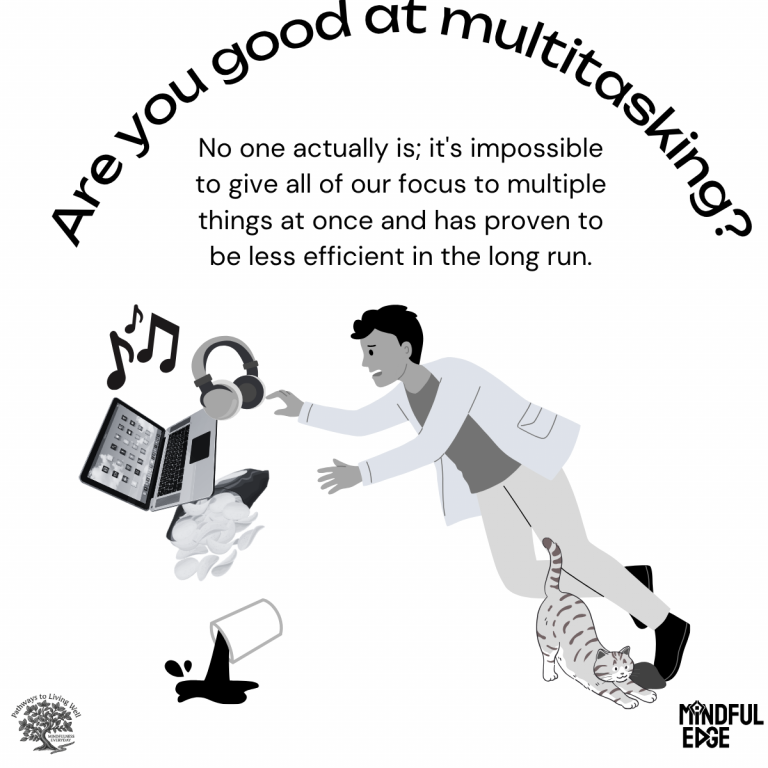
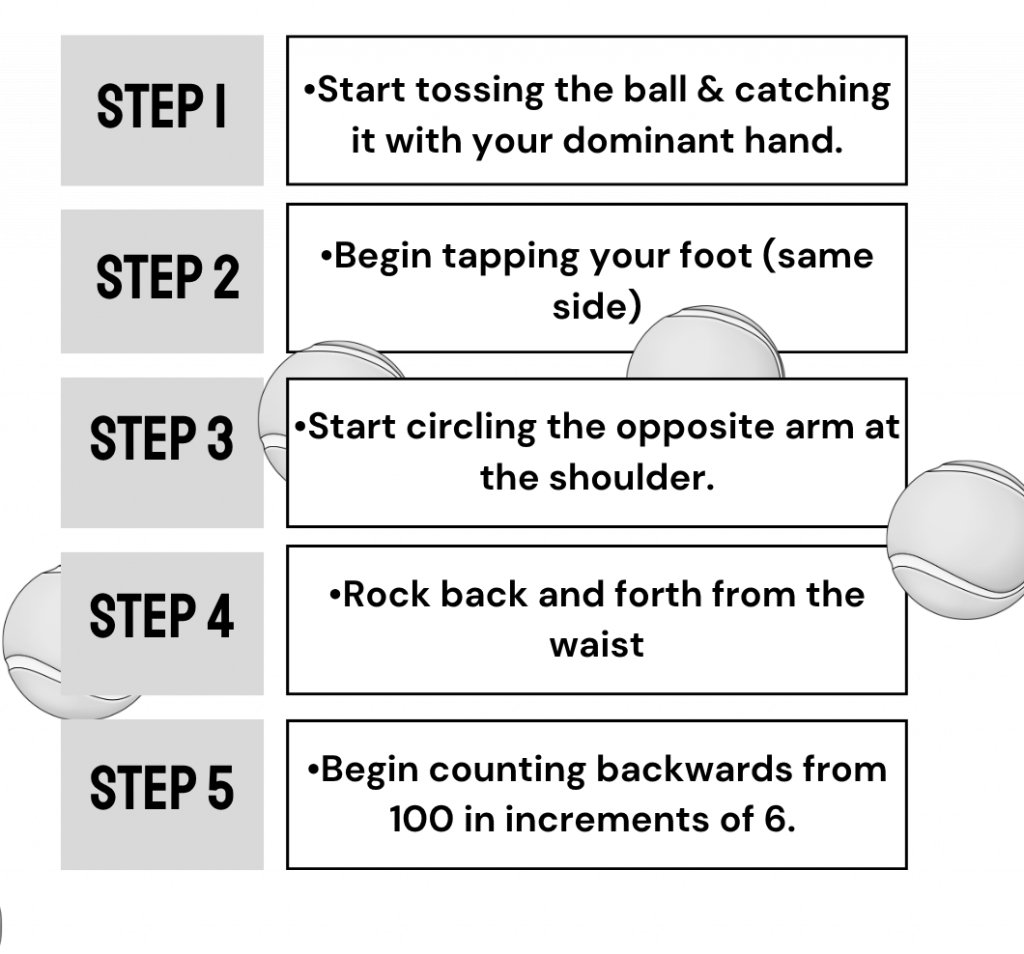
Are You Good At Multitasking? Let’s test the theory…..

Stress Lesson Activity - Multitasking

Reflection Questions – Stress of Multitasking

  • How does multitasking impact your stress levels?
  • When is the stress of multi-tasking energizing and when is it
    overwhelming?
  • Which activities can overwhelm your stress levels – i.e., trying to
    finish 2 projects at once? 

Steps

Multitasking Activity - Steps

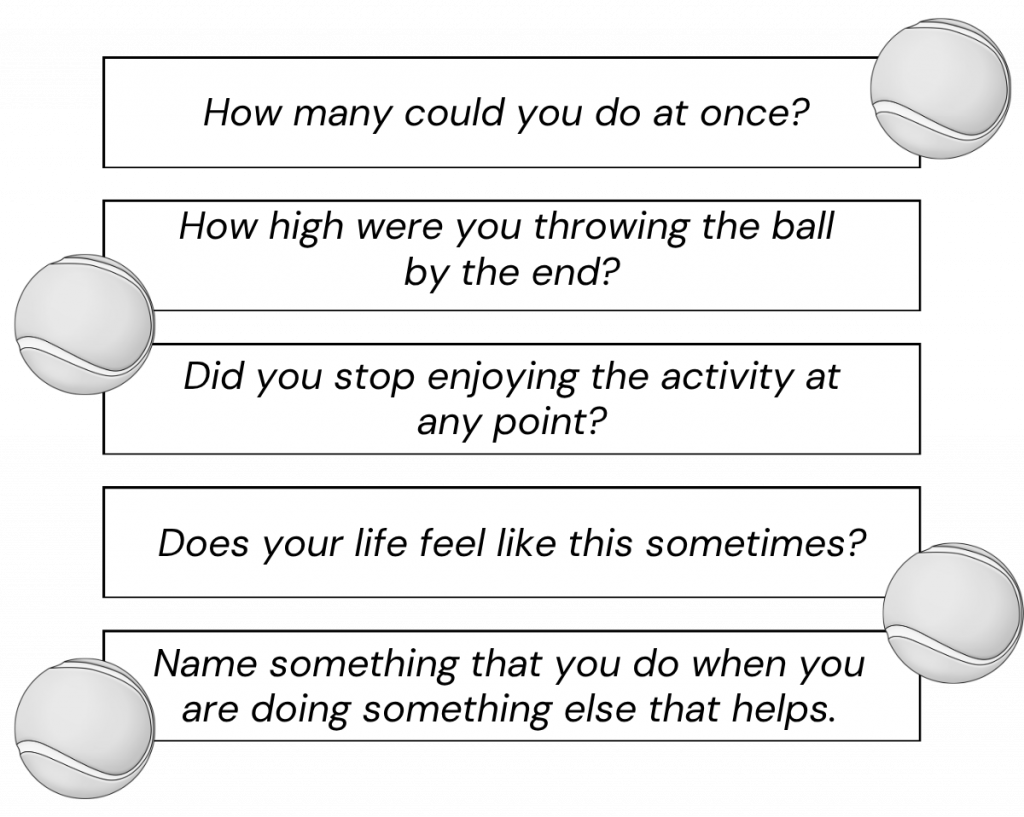
Debrief Questions

Multitasking Activity Debrief

Impacts of Multitasking

Multitasking Activity - Impacts

Art Activity - Drawing the Breath

Reflection Questions – Drawing the Breath Activity

  • What colour did you choose as your starting colour? Why?
  • What does it now represent to you as part of your breath artwork?
  • What colours did you add?
  • Did drawing your breath help you understand how you are feeling in the moment? How?
  • What shapes and colours do you see in your final artwork?
  • Did you draw your breath big or small?
  • How would you describe your breath artwork to someone else?.

Learn More

About Anxiety

What is Anxiety?

Anxiety is…

  • normal
  • not dangerous 
  • adaptive 
  • part of life 

but it can become a problem if it leads to avoidance and diminished quality of life.

We Can’t Think Our Way Out of Anxiety

It is a somatic, felt, physiological experience that is rooted in feelings of either fear or lack. 

Anxiety happens when our nervous systems enter a sympathetic survival response. We can learn how to regulate your nervous system.

1_ML_WorrierPose

Foods That May Lower Anxiety

Foods that may lower anxiety

Videos To Watch