Frame 220

STRESS

HOME | LEARN | PRACTICE | ABOUT | COMMUNITY | VIDEOS | PERSONAL | RESOURCES

WHAT IS STRESS?

OVERVIEW


Being aware of our stressors and the signs of stress in our bodies and minds can help us make more informed decisions about how to manage them. Mindfulness, which involves paying attention to how the body feels, what we think, and what we feel, can help prevent the buildup of negative stress effects. Mindful awareness can enhance our well-being and resiliency.

DEFINED

Stress is neither good or bad. It is the body’s way of responding to a demand or threat.

OBJECTIVES

  1. Learning how stress impacts the entire body, including the mind. 
  2. Understanding the effects of stress on different facets of life, including sleep, academic performance and interpersonal relationships.
  3. Learning how mindfulness can help ease and manage responses to stressful situations.
  4. Learning practices/healthy habits/attitudes for managing stress. 

RELEVANCE OF MEANING STRESS

  1. What is stress?
  2. How does stress affect experience?
  3. How can mindfulness & awareness help manage the effects of negative stress?

MINDFUL CHECK-IN

 IF YOU WERE A BATTERY, WHERE IS YOUR ENERGY NOW?

WHAT DO YOU NEED?

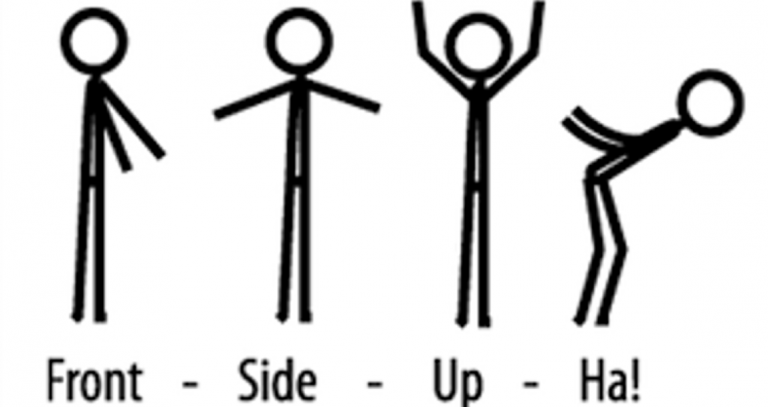
CONDUCTOR BREATH

A MOVEMENT BREATH COMBINATION FOR MOVING ENERGY.
FEELING TIRED? FEELING WIRED? TRY THIS TO REGULATE YOUR ENERGY.

STRESS INFORMATION​

AUTONOMIC NERVOUS SYSTEM

SYMPATHETIC NERVOUS SYSTEM

FIGHT OR FLIGHT RESPONSE

Frame 14
Frame 15
  • Dilates Pupils
  • Relaxes Bladder
  • Inhibits Digestion

PARASYMPATHETIC NERVOUS SYSTEM

REST & DIGEST RESPONSE

Frame 19
  • Constricts Pupils
  • Promotes slaivation
  • Contracts Bladder
  • Stimulates GI Motility

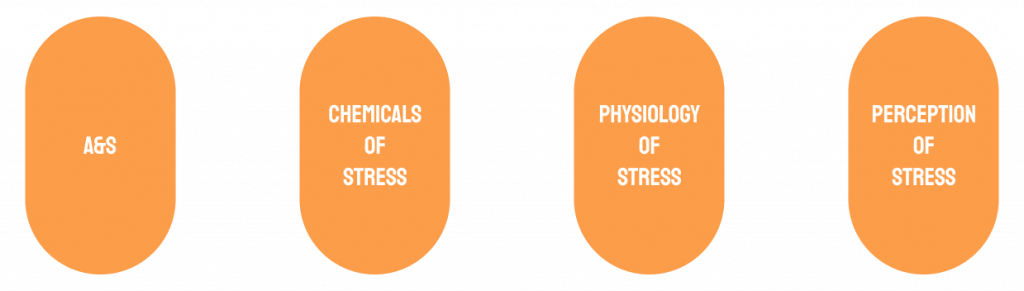
CHEMICALS OF STRESS

WHEN STRESSED, OUR BODIES REACT BY RELEASING CHEMICALS (CORTISOL AND ADRENALINE) INTO THE BLOOD, GIVING US MORE ENERGY AND STRENGTH.

BODY AND STRESS

THE PHYSIOLOGY OF STRESS

  • Stress impacts all organs in the body
  • The body doesn’t always distinguish between a real or perceived threat; the chemical and physiological reaction in our bodies and minds is the same. i.e., imagining a stressful situation will elicit a stress reaction

PERCEPTION AND STRESS

  • It’s our perception that can impact our response. 
  • Mindful awareness can help manage the effects of negative stress by viewing stress as a challenge rather than a threat. 
  • Unhealthy Stress: Reacting to stress as a threat that you feel you don’t have the resources to overcome (e.g. time)
  • Healthy Stress: Responding to stress as a challenge that will be difficult, but you think you can successfully tackle 

12 HEALTHY HABITS OVERVIEW

THERE ARE 12 HEALTHY HABITS WHICH SUPPORT WELL-BEING, ESPECIALLY BRAIN FUNCTION. WE WILL BE EXAMINING EACH OF THESE IN THE NEXT LESSONS.

SCROLL THROUGH:

SLEEP TIME:

When we give the brain the rest it needs, we consolidate learning and recover from the experiences of the day.

REFLECTIVE QUESTIONS:

  • Which one of these do you do to help yourself?
  • Which of these would you like to bring into your life? 

MINDFUL ATTITUDES OVERVIEW

YOU CANNOT CONTROL WHAT HAPPENS TO YOU, BUT YOU CAN CONTROL YOUR ATTITUDE TOWARD WHAT HAPPENS TO YOU, AND IN THAT, YOU WILL BE MASTERING CHANGE RATHER THAN ALLOWING IT TO MASTER YOU. ~ BRIAN TRACEY

There are 9 foundational mindful attitudes that support infusing mindfulness into your life. We will be examining each of these in the next lessons. 


The underlying principle is interest and curiosity in your experience.

INSTRUCTIONS

  • Two inhales, a long exhale
  • Repeat 1-3 times

MINDFUL MOVEMENT

STANDING LIKE A MOUNTAIN

BENEFITS

  • Improves posture and balance
  • Strengthens thighs, knees, and ankles
  • Increases body awareness
  • Steadies breathing
  • Increases strength, power, and mobility in the feet, legs, and hips
  • Firms abdomen and buttocks
  • Relieves sciatica
  • Reduces flat feet

INSTRUCTIONS

  • Taking a few breaths in Mountain pose to get grounded: feet grounded to the earth, head reaching to the sky.
  • Shifting your weight to one foot, we start to lift the other off the ground – doesn’t have to be high. What muscles do you notice kicking it to rebalance yourself?Start moving your arms and lifted leg around to see how your body accommodates new centres of gravity.
  • Imagine you are in space, in an anti-gravity chamber, moving in slow motion. Challenge yourself
  • Try focusing your gaze on an unmoving object in your room. Does this help you balance. 
  • Repeat on the other leg. Are you able to balance better on one leg or the other?
  • Shake out your limbs and sit down.

DEBRIEF

  • How do you feel? 
  • Did this make you feel more tired or more energized?

FUN FACTS

  • Your inner ear plays an important part of balance.
  • The structures in your inner ear send signals to your brain that help you orient and maintain balance.
  • Your brain, not your muscles, control balance.
  • You need to train your balance like you need to train other skills. 

WRAP UP

KEY POINTS ABOUT STRESS

  •  Stress is neither good nor bad, stress is your body’s way of responding to any kind of demand.
  • Too much stress for too long can become harmful to the body, mind and heart.
  • Managing stress skillfully can help us recover from stressful experiences. 
  • Recognizing the physical symptoms of stress and identifying stressors can help manage stress.

FINAL CHECK-IN & REFLECTION

HOW IS YOUR ENERGY NOW? REFLECT ON THE FOLLOWING QUESTIONS:

  • Was there a shift in how you feel after doing this lesson, learning about stress and doing the activities and practices?
  • What practices helped you with coping with stress?
  • What are your Strategies for Stress Management?

EXPLORE MORE

WEB-BASED RESOURCES

VIDEOS TO WATCH

How to Make Stress Your Friend  

https://www.youtube.com/watch?v=RcGyVTAoXEU&t=4s&ab_channel=TED